

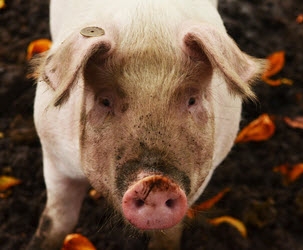
Pig meat producers in Europe are suffering the smallest profits in a decade. Reasonable explanations include the impacts of higher feed costs and the loss of exports due to African Swine Fever. A less likely explanation posed by animal welfare campaigners in Europe is that consumers are avoiding a product whose production methods are contrary to popular animal welfare standards. European per capita pig meat consumption has been declining for years and well in advance of the current campaign to change animal welfare practices (see graph below). China may be the largest consumer of pig meat, but Europeans are the larger per capita consumers, eating nearly 17 percent more at present levels. Blaming animal welfare is speculative convenience se...



 Russian Grain Markets: 29 June-3 July 2026 The new marketing season has officially begun in Russia, although bearish sentiment has been concentrated in the southern regions closest to the Black Sea ports, where export demand has been weakest. Delays in grain deliveries to inland elevators have...
 What You Need to Know Today: The hot, dry weather forecast continues to drive strength in grain futures with corn and soybeans hitting another day of strong gains. Monday’s Crop Progress and Conditions data were in line with market expectations and showed relatively few concerns for the...

From WPI Consulting
Forecasting developments in production agriculture
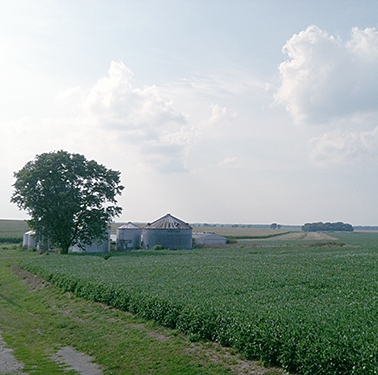
On behalf of a private U.S. agricultural technology provider, WPI’s team generated an econometric model to forecast the movement of concentrated corn production north and west from the traditional U.S. Corn Belt. WPI’s model has subsequently provided quantitative support to a multi-million-dollar investment into short-season corn variety development. WPI’s methodology included a series of interviews with regional grain elevators and seed consultants. Emphasizing outreach and communication with stakeholders who possess intimate sectoral knowledge – on-the-ground insights – is a regular component of WPI’s methodologies, made possible by WPI’s ever-growing network of industry contacts.