
While most economists and mainstream media outlets are criticizing the Trump tariff war, none are professing that free trade is fair. To quote Bloomberg’s Tyler Cowen, the world trading order is “weighted against the exporting interests of the U.S.” Moreover, it is growing worse. Some argue that a scalpel would have been better than the sledgehammer being used, but the government’s trade policy specialists have tried for year to reconcile foreign trade barriers with only modest success at best. The U.S. president’s goal is to be taken seriously and anything less will only worsen his instincts. This will no doubt mean hard times ahead in agricultural trade. For example, U.S. – EU agrifood trade is lopsided...



 What You Need to Know Today: U.S. and Chinese officials are expected to discuss agriculture and non-tariff trade barriers ahead of Chinese President Xi Jinping’s visit to Washington later this month, potentially opening the door to additional U.S. agricultural purchases or improved marke...
 The U.S. will observe Labor Day on Monday, 7 September. U.S. markets and the WPI office will be closed that day. The next edition of Ag Perspectives will be published Tuesday, 8 September...

 Key Takeaways: Drought and changes to the multi-year trend in cow slaughter and retention have the potential to dramatically alter beef trim supplies and pricing, and WPI specifically models three different drought scenarios for fall 2026. Based on our models, WPI expects 90 percent lean...

From WPI Consulting
Forecasting developments in production agriculture
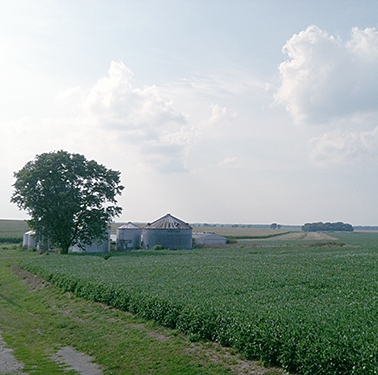
On behalf of a private U.S. agricultural technology provider, WPI’s team generated an econometric model to forecast the movement of concentrated corn production north and west from the traditional U.S. Corn Belt. WPI’s model has subsequently provided quantitative support to a multi-million-dollar investment into short-season corn variety development. WPI’s methodology included a series of interviews with regional grain elevators and seed consultants. Emphasizing outreach and communication with stakeholders who possess intimate sectoral knowledge – on-the-ground insights – is a regular component of WPI’s methodologies, made possible by WPI’s ever-growing network of industry contacts.