

Major agricultural commodity prices will be mostly flat in 2016, according to USDA, but the agency predicts that food bought for consumption at home will inflate at a higher rate than it did in 2015. 2016: Farms Flat; Groceries Rise Major agricultural commodity prices will be mostly flat in 2016, according to USDA, but the agency predicts that food bought for consumption at home will inflate at a higher rate than it did in 2015. While abundant supplies will keep down commodity prices, downstream processors and suppliers face increased costs from labor, distribution and other inputs. 2015 Top Five The top five WPI articles read in 2015 were: Likely Future Conflicts over Water Ethanol Industry Seeking E30 Under New Fuel Standard There’...



 Key Takeaways: Soyoil futures have been trading at the highest levels since 2022. Higher crude oil prices have allowed biofuels to be more cost-competitive with fossil fuels. Recent U.S. biofuel policy, including 45Z, has been favorable toward soyoil as a feedstock. California will be limiting...

From WPI Consulting
Forecasting developments in production agriculture
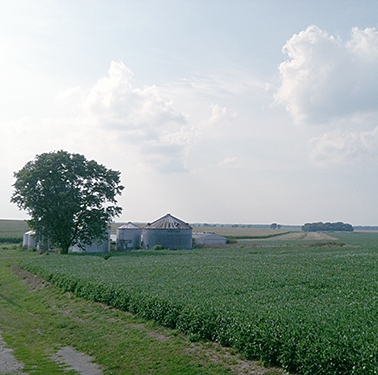
On behalf of a private U.S. agricultural technology provider, WPI’s team generated an econometric model to forecast the movement of concentrated corn production north and west from the traditional U.S. Corn Belt. WPI’s model has subsequently provided quantitative support to a multi-million-dollar investment into short-season corn variety development. WPI’s methodology included a series of interviews with regional grain elevators and seed consultants. Emphasizing outreach and communication with stakeholders who possess intimate sectoral knowledge – on-the-ground insights – is a regular component of WPI’s methodologies, made possible by WPI’s ever-growing network of industry contacts.