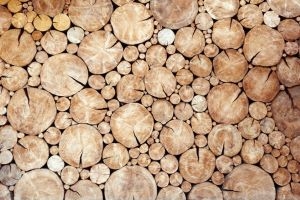
The spike in woods prices earlier this year has now subsided but there are longer term issues that need to be addressed. The production of forest products dropped in 2020 in anticipation of a COVID-induced recession. However, easy money fueled a construction bonanza instead and a shortage of wood was the result. The cost of lumber quadrupled, outpacing any other commodity. Production has increased, bringing prices down but elevating the issue of sustainability in forestry. Policymakers are trying to discipline the harvesting of fish and protect wildlife from both development and climate change. The focus on protecting forests has focused on the Amazon. There is no global agreement on forestry and countries like the Democratic Republic of C...



 Key Takeaways: The CME Group is launching new 90 percent Lean Beef and 50 percent Lean Beef futures and options contracts in July. There are five key factors that must be present in physical markets and futures contract specifications for futures contracts to become successful. The two l...
 What You Need to Know Today: The hot, dry weather forecast continues to drive strength in grain futures with corn and soybeans hitting another day of strong gains. Monday’s Crop Progress and Conditions data were in line with market expectations and showed relatively few concerns for the...

From WPI Consulting
Infrastructure investment due diligence
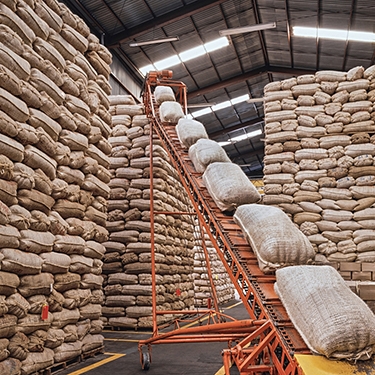
On behalf of a Canadian oilseed processer WPI's team provided market analysis, econometric modeling and financial due diligence in support of a $24 million-dollar investment in a Ukrainian crush plant. Consistent with WPI's findings, local production to supply the plant and the facility's output have expanded exponentially since the investment. WPI has conducted parallel work on behalf of U.S., South American and European clients, both private and public, in the agri-food space.