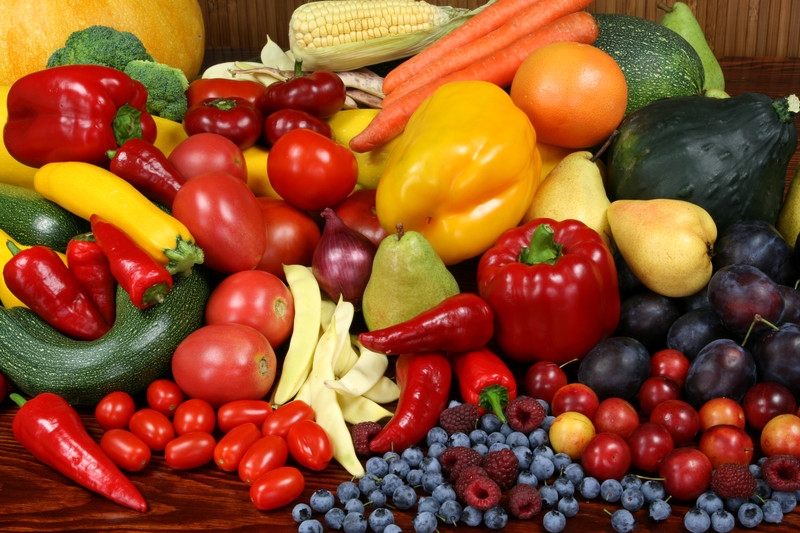
According to the U.S. Centers for Disease Control, only one in 10 American adults meets the dietary guidelines for fruit and vegetable consumption. Meanwhile, U.S. production of these crops is flat to declining. The gap between supply and consumption is being filled by imports (see graph below).
According to the FAO, the U.S. has 50 percent more arable land than the EU and yet Europe produces 140 percent more fruit and 97 percent more vegetables (see graph below). Europe’s population is 58 percent larger so that does not account for the full difference.
The EU offers support to 72 different specialty crops, including supply management, promotion, harvest insurance, etc. The U.S. provides support to 21 different specialty c...

What You Need to Know Today: The corn and soybean markets closed slightly higher in low-volume trade. The wheat market was mixed, with HRW continuing its downward trek on improved moisture. As expected, the bearish cattle on feed report drove down cattle prices and pulled hogs down with it. Mi...
Monday, 25 May is a U.S. holiday, and both the markets and our office will be closed. Please note that the next issue of Ag Perspectives will be published on Tuesday, 26 May. The WPI staff wishes everyone a safe and enjoyable holiday weekend...
USDA’s monthly cattle on feed report was released today. The total number of cattle on feed in feedlots with 1,000 head or more capacity amounted to 11.6 million head, 102 percent of last year. Source: USDA, WPI Placements were up, but part of that is attributable to persistent drought c...