


Price is the most efficient signal to producers on whether to grow or reduce output of a commodity. However, price signals become distorted in agriculture due to policy interventions. Consequently, looking at supply/demand balances are another tool to weigh relative food security. USDA data on the global MY 2020/21 supply situation offers some expected results. Excluding available carryover stocks, consumption is exceeding production in oilseeds and corn. Canola prices are currently reflecting the larger deficit in rapeseed, and soybeans are not far behind. Wheat is in larger abundance, which is why prices are having trouble pushing any higher. Beef may have the second largest surplus in this grouping of commodities, but the cattle cycle i...



From WPI Consulting
Forecasting developments in production agriculture
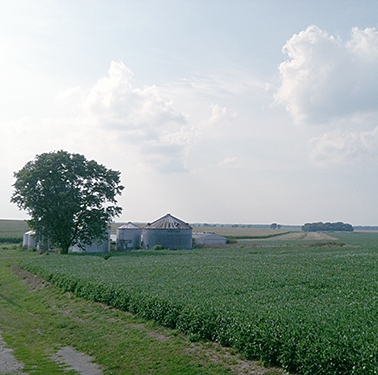
On behalf of a private U.S. agricultural technology provider, WPI’s team generated an econometric model to forecast the movement of concentrated corn production north and west from the traditional U.S. Corn Belt. WPI’s model has subsequently provided quantitative support to a multi-million-dollar investment into short-season corn variety development. WPI’s methodology included a series of interviews with regional grain elevators and seed consultants. Emphasizing outreach and communication with stakeholders who possess intimate sectoral knowledge – on-the-ground insights – is a regular component of WPI’s methodologies, made possible by WPI’s ever-growing network of industry contacts.