
There is no such thing as free trade but Germany and Japan are calling for a concerted effort to defend it. Elsewhere, the U.S. considers joining the EU, Zambia, and Nigeria in adopting supply-restricting policies. Status Quo is Good for Me There is no such thing as free trade, but according to Arne Delfs in Bloomberg, “The German Chancellor Angela Merkel and Japanese Prime Minister Shinzo Abe called for a concerted effort to defend free trade, expanding the list of economic powers joining together to counter the U.S. shift toward protectionism.” Germany has the world’s second largest trade surplus at nearly $300 billion and Japan has the third largest trade surplus. Delfs argues that the major powers are lining up against the U.S. demand...



 What You Need to Know Today: The U.S. conducted “self-defense strikes” in Iran and said the two sides are “close” to negotiating a ceasefire. “Close” is a relative term, however, and even if 95 percent of the terms are agreed to, the remaining 5 percent is l...
 As we reported on 19 May, China has also committed to the resumption of U.S. poultry imports from states without confirmed HPAI detections. USDA’s Animal and Plant Health Inspection Service (APHIS) has updated its China export restrictions webpage to reflect that China has lifted HPAI-rel...


 Key Takeaways: Brazil has been the second-largest producer of fuel ethanol globally, but almost all of it was derived from sugarcane until recently. Corn ethanol production has increased due to expanded second-crop corn production, sugarcane storage limitations, and biofuel policy. Brazil is e...

From WPI Consulting
Forecasting developments in production agriculture
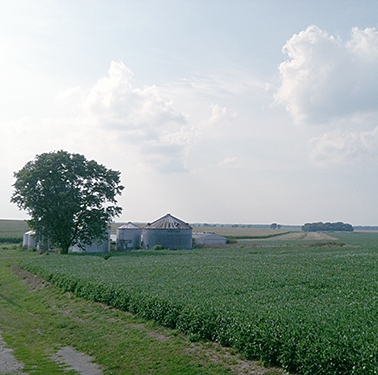
On behalf of a private U.S. agricultural technology provider, WPI’s team generated an econometric model to forecast the movement of concentrated corn production north and west from the traditional U.S. Corn Belt. WPI’s model has subsequently provided quantitative support to a multi-million-dollar investment into short-season corn variety development. WPI’s methodology included a series of interviews with regional grain elevators and seed consultants. Emphasizing outreach and communication with stakeholders who possess intimate sectoral knowledge – on-the-ground insights – is a regular component of WPI’s methodologies, made possible by WPI’s ever-growing network of industry contacts.