The House Ag Committee held a hearing yesterday, “A 2022 Review of the Farm Bill: The Role of USDA Programs in Addressing Climate Change.” As we’ve covered numerous times over the past year, climate policy – especially proposals that generate a revenue stream for producers – are a high priority for this Congress leading into the next farm bill. Of course USDA has been promoting a “carbon bank” (see the concept outline here from WPI’s 16 November 2020 report) using Commodity Credit Corporation (CCC) funds as a way to pay farmers for climate smart practices. That plan, however, has lost some steam on Capitol Hill over the potential costs, and the potential for the federal government...



 What You Need to Know Today: There has already been a strong run of flash soybean sales announcements in recent weeks, but more than 1.4 MMT reported this morning is an exceptionally large single-day total with major implications for the market. If the sales to China and unknown destinations w...
 On Friday, at 6:57 AM, President Donald Trump announced, via a social media post, a 90-day window during which up to 300,000 metric tons of product for ground beef could be imported outside of tariff-rate quotas—a move aimed at bringing down costs for American consumers. This is the secon...

From WPI Consulting
Forecasting developments in production agriculture
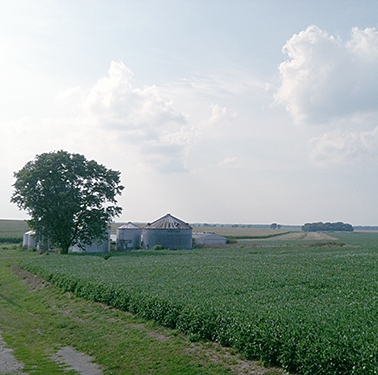
On behalf of a private U.S. agricultural technology provider, WPI’s team generated an econometric model to forecast the movement of concentrated corn production north and west from the traditional U.S. Corn Belt. WPI’s model has subsequently provided quantitative support to a multi-million-dollar investment into short-season corn variety development. WPI’s methodology included a series of interviews with regional grain elevators and seed consultants. Emphasizing outreach and communication with stakeholders who possess intimate sectoral knowledge – on-the-ground insights – is a regular component of WPI’s methodologies, made possible by WPI’s ever-growing network of industry contacts.