
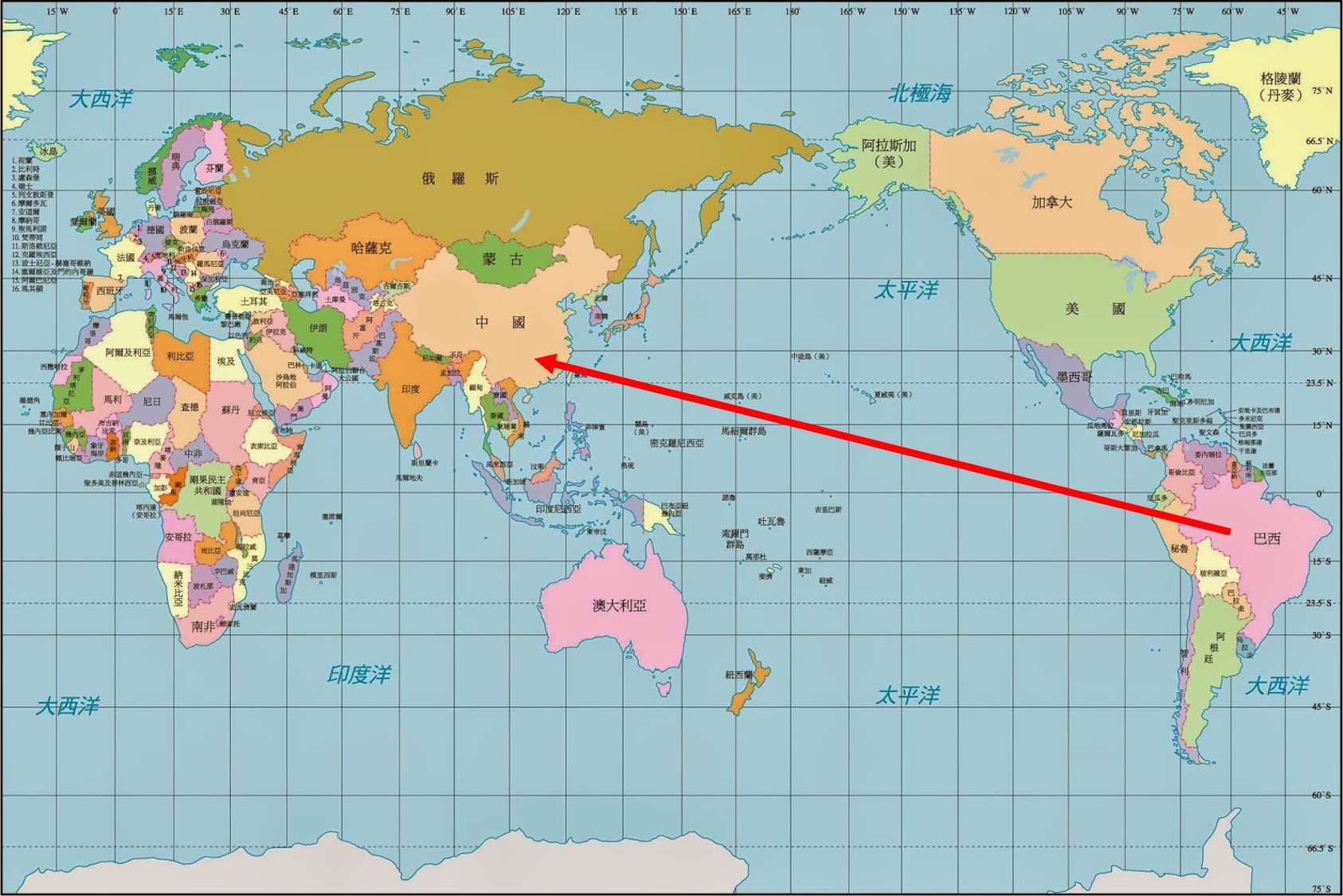
During the recent dry season, there was a 77 percent year-to-year increase in fires in Brazil, typically started for land clearing and eventual natural resource exploitation. Ecologist Cassie Freund at Wake Forest University blamed the U.S. by saying, “There’s a straight line from Trump’s trade war with China to the destruction of the Amazon.” In other words, China buying South American soybeans instead of U.S. product has precipitated the area expansion effort in Brazil. First, it should be noted that over the past couple of decades, Brazil’s soybean production area expanded an average 5.11 percent per year. However, the expansion has been at a slower level in more recent years. Given this year’s fires,...



From WPI Consulting
Communicating importance of value-added products

Facing increasing pressure to quantify the value of export promotion efforts to investors, a U.S. industry organization retained WPI to develop a quantitative model that better communicated the importance of exports. The resulting model concluded that value-added meat exports contributed $0.45 cents per bushel to the price of corn, increasing support for that sector’s financial support of WPI’s client. In addition to serving the red meat industry with this type of analysis, WPI has generated similar deliverables for the U.S. soybean and poultry/egg industries.