


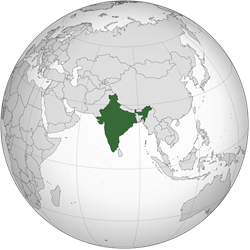
Vegetable Oil Imports via South Asian Countries India’s edible vegetable oil imports dropped about 2.23 percent during November 2017-June 2018 to 9.4 MMT versus 9.615 MMT in the same previous eight months. For June 2018, they were 19.18 percent lower than May 2018 at 1.007 MMT and down 22.11 against June 2017. Meanwhile, crude palm and palmolein imports totaled 5.557 MMT in the November 2017-June 2018 period with sold oil imports at 3.843 MMT versus 5.925 MMT and 3.690 MMT, respectively, during November 2016-June 2017. After the government of India (GOI) raised the duties on crude and soft edible oils, there was a surge in oil imports from South Asian nations, particularly Bangladesh. While that country is not a very large producer...



 What You Need to Know Today: Oil prices extended their rally Tuesday as disruptions to global supplies intensified. Saudi Arabia halted crude loadings at its Yanbu Red Sea port following the shutdown of the East-West Pipeline, while protests by oil-sector security workers forced the suspension...

 The USDA has lowered its 2026 red meat production forecasts while leaving poultry almost unchanged. Beef is now projected at 24.877 billion pounds, 90 million pounds below August on slower Q3 fed cattle slaughter and lighter dressed weights, along with an anticipated counterseasonal cutback in...
 Mediterranean/Middle East/North Africa/Africa – MEA Region Egypt’s grain imports have fallen off in recent weeks due to several reasons, according to local experts — large imports of maize earlier in the year built up good stocks, while the availability of local maize has sinc...

From WPI Consulting
Communicating importance of value-added products

Facing increasing pressure to quantify the value of export promotion efforts to investors, a U.S. industry organization retained WPI to develop a quantitative model that better communicated the importance of exports. The resulting model concluded that value-added meat exports contributed $0.45 cents per bushel to the price of corn, increasing support for that sector’s financial support of WPI’s client. In addition to serving the red meat industry with this type of analysis, WPI has generated similar deliverables for the U.S. soybean and poultry/egg industries.