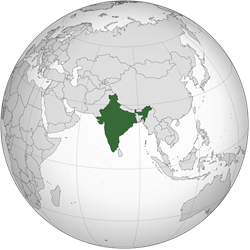
Rabi Sowing Down As of 18 January 2019, the total rabi planted area was down 4.8 percent versus 2017/18. While wheat is among the crops affected, pulses and coarse cereals, most especially pearl millet, are down significantly (see table below). The overal oilseed area has been good, however, as those crops are down just 0.9 percent with mustard/rapeseed the only one showing an increase and sunflowers suffering the greatest decrease within that category.
This drop in rabi area may be one reason why prices of the key crops that have alternate uses are rising. An example of this is pearl millet, which is a coarse grain grown in North India that is mostly used as food and in feed. It’s inclusion rate in poultry feed rations could be 1...


 What You Need to Know Today: Oil prices extended their rally Tuesday as disruptions to global supplies intensified. Saudi Arabia halted crude loadings at its Yanbu Red Sea port following the shutdown of the East-West Pipeline, while protests by oil-sector security workers forced the suspension...

 The USDA has lowered its 2026 red meat production forecasts while leaving poultry almost unchanged. Beef is now projected at 24.877 billion pounds, 90 million pounds below August on slower Q3 fed cattle slaughter and lighter dressed weights, along with an anticipated counterseasonal cutback in...
 Mediterranean/Middle East/North Africa/Africa – MEA Region Egypt’s grain imports have fallen off in recent weeks due to several reasons, according to local experts — large imports of maize earlier in the year built up good stocks, while the availability of local maize has sinc...