
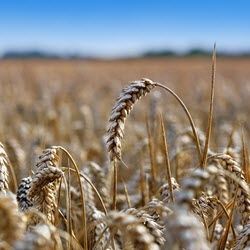
Wheat Prices Rise, Despite Bumper Crop According to the 4th Advance Agricultural Production estimates released this week, India’s wheat production in 2017/18 was revised to 99.7 MMT and GOI has procured 35.51 MMT so far. Higher production and procurement rates 5 MMT higher than the initial target led to large stocks of wheat in open warehouses. The movement of wheat from central and state warehouses has also been slow. As of 1 June 2018, wheat stocks were 43.801 MMT and 41.801 MMT on 1 July 2018. 1 August stocks, however, reached 40.858 MMT, according to the Food Corporation of India (FCI). The movement of the wheat under various GOI schemes and also under the Open Market Supply Scheme (OMSS) has been slow. In July 2018,...


 The US election is over, but the market’s debate is just beginning. A shift in Washington’s balance of power is changing policy expectations, while developments involving Iran and an early decline in the dollar are adding to the uncertainty. Now traders must decide how much of that...

 Key Takeaways: The 2026 U.S. Midterm elections surprised many pundits and have created significant changes in how agriculture and major agricultural production states will be represented in Congress. Details on how candidates expect to address agricultural issues are still limited, and no offi...
 Key Takeaways: Japan’s mountainous geography and limited farmland constrain domestic agricultural production, while its highly developed economy and substantial purchasing power make it one of the world’s most important agricultural import markets. Japan’s calorie-based food...

From WPI Consulting
Communicating importance of value-added products

Facing increasing pressure to quantify the value of export promotion efforts to investors, a U.S. industry organization retained WPI to develop a quantitative model that better communicated the importance of exports. The resulting model concluded that value-added meat exports contributed $0.45 cents per bushel to the price of corn, increasing support for that sector’s financial support of WPI’s client. In addition to serving the red meat industry with this type of analysis, WPI has generated similar deliverables for the U.S. soybean and poultry/egg industries.