
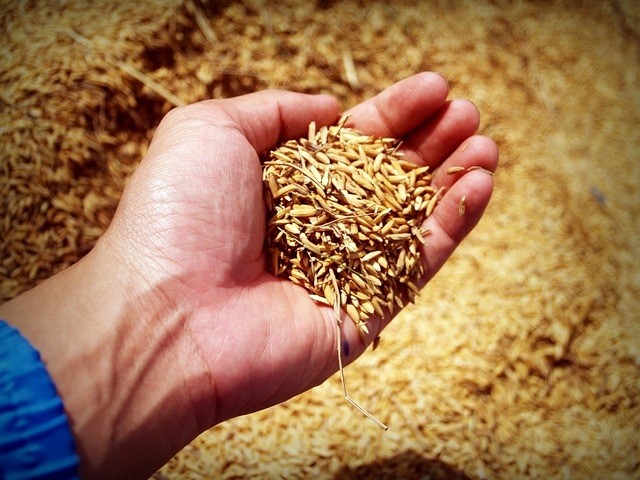
The New Delhi playbook for staple crops is to offer farmers a generous Minimum Support Price (MSP), donate the extra output to the nation’s poor, and then dump on the world market any surpluses that would otherwise depress domestic prices. India’s rice surplus was around a quarter of production a dozen years ago but exports have been expanding at double digits a year while output has grown just 2.7 percent per year. The result in this El Nino impacted crop year is that carryover will represent just 12 percent of production this year. That is too close for comfort and so India has slowed the rice export juggernaut and banned the export of non-Basmati rice and other crops. The pace of rice production could resume its ascent...



 USDA and sugar have been married since 1934. With such an old marriage, there are all manner of promises, obligations and compromises. There are disagreements and arguments, and occasional calls for divorce, but they lack real conviction. We outsiders find it all so difficult to understand. The...


From WPI Consulting
Accountability and a comprehensive approach to export programming

WPI’s team helped construct a strategic approach to develop, implement, and track promotional activities in 8 key regions across the globe for an agricultural export association. With continued progress measurement and strategic advisory services from WPI, the association has seen its ROI from investments in promotional programming increase by 44 percent over the past 5 years. Not only does this type of holistic approach to organizational strategy provide measurable results to track and analyze, it fosters top-down and bottom-up organizational accountability.