


While grains were 19 percent lower on the S&P Goldman Sachs Commodity Index (GSCI), energy was down 41 percent. However, there may be a silver lining to this commodity cloud going into 2016.Commodities as an asset class experienced another bear year in 2015 with all six sectors (precious metals, base metals, energy, grains, soft commodities and meats) down on the year, although softs made gains in the fourth quarter (Q4). The composite index moved up 12.64 percent in Q4 to almost break even on the year at an annual drop of only 0.74 percent. Some supply shocks helped frozen concentrated orange juice (FCOJ) futures appreciate 32.64 percent during the last quarter. Sugar rallied as well from just over 10 cents/pound in late summer to high...



 What You Need to Know Today: Grain futures fell hard overnight after the USDA’s Crop Conditions report showed better-than-expected ratings for corn and soybeans, despite difficult weather last week. The Conditions report was even more bearish in light of meaningfully beneficial rains acr...

 Key Takeaways: New Mexico’s Clean Transportation Fuel Program expands demand for low-carbon fuels and creates another market for renewable feedstocks, adding incremental pressure to already limited supplies of lower-carbon inputs. Growing competition for waste-based feedstocks such as an...
 As WPI reported on 17 July, the recently passed budget reconciliation bill in the House Budget Committee includes $12 billion in emergency farm assistance. This would be the seventh of the past nine years with ad hoc farm payments (FY2018, FY2019, FY2020, FY2022, FY2023, FY2024, and potentially...

From WPI Consulting
Forecasting developments in production agriculture
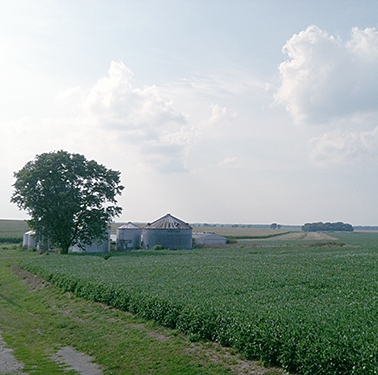
On behalf of a private U.S. agricultural technology provider, WPI’s team generated an econometric model to forecast the movement of concentrated corn production north and west from the traditional U.S. Corn Belt. WPI’s model has subsequently provided quantitative support to a multi-million-dollar investment into short-season corn variety development. WPI’s methodology included a series of interviews with regional grain elevators and seed consultants. Emphasizing outreach and communication with stakeholders who possess intimate sectoral knowledge – on-the-ground insights – is a regular component of WPI’s methodologies, made possible by WPI’s ever-growing network of industry contacts.