


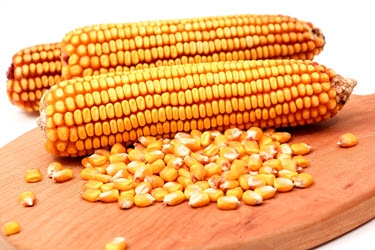
The announcement of a U.S.- Japan trade agreement over the weekend at the G7 couldn’t have come at a better time for the markets and for President Trump’s political fortunes. The politics out in farm country had been turning ugly after the most recent tariff escalation with China and the controversy over the RFS, ethanol waivers and their impact on the corn sector. To be sure, the Administration didn’t squander the opportunity to use the new agreement with Japan to leverage the negotiations with China and to do a little damage control with U.S. corn growers. As the President stated: … one of the things that Prime Minister Abe has also agreed to is we have excess corn in various parts of our countr...



From WPI Consulting
Illuminating the value of technical research

On behalf of a commodity producer organization, WPI evaluated the outputs from a project that featured a $5 million investment into technical research over multiple years. WPI’s team captured the results of this extensive effort and synthesized them for presentation to the organization’s governing board; among the findings uncovered and presented for the first time was the development of genomic traits proven, via rigorous testing, to provide crop yield advantages of 50 percent or more to U.S. farmers in times of drought. Capturing measurable results from long-term efforts can be challenging. Educating clients on the dynamics of success measurement when quantifiable results are not readily available requires deep client-consultant collaboration and an ability to consider both near- and long-term client aspirations with market/policy dynamics – attributes that WPI brings to every consulting engagement.