Key Takeaways:
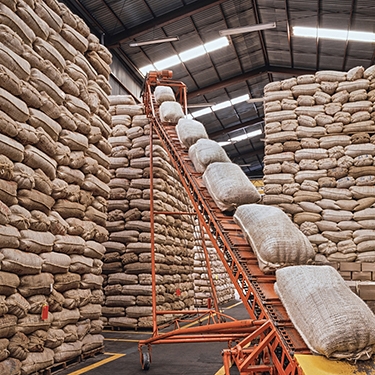
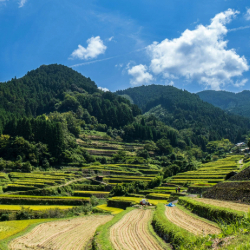
Japan’s mountainous geography and limited availability of farmland constrain domestic agricultural production, while its highly developed economy and substantial purchasing power make it one of the world’s most important agricultural import markets. Japan’s food self-sufficiency ratio declined to 37 percent in fiscal 2025, reflecting its heavy reliance on imported food products and livestock feed ingredients to meet domestic consumption and agricultural production requirements.
Japan's Geographic Constraints Drive Agricultural Import Dependence China tends to dominate discussions surrounding global agricultural trade as the world’s largest agricultural importer, while Japan receives considerably less...


 Russian Grain Markets: 26–30 October 2026 During the week in review Russian grain market remained quite volatile where feed wheat was appreciating and During the week in review, the Russian grain market remained volatile. Feed wheat prices appreciated while milling wheat prices declined...
 What You Need to Know Today: Corn broke sharply lower after overnight headlines that U.S., Ukrainian, and Russian officials would meet for peace talks on 10 and 11 November. Mexico made its second large purchase of U.S. corn in as many days, bringing total purchases this week to just over 2 MM...