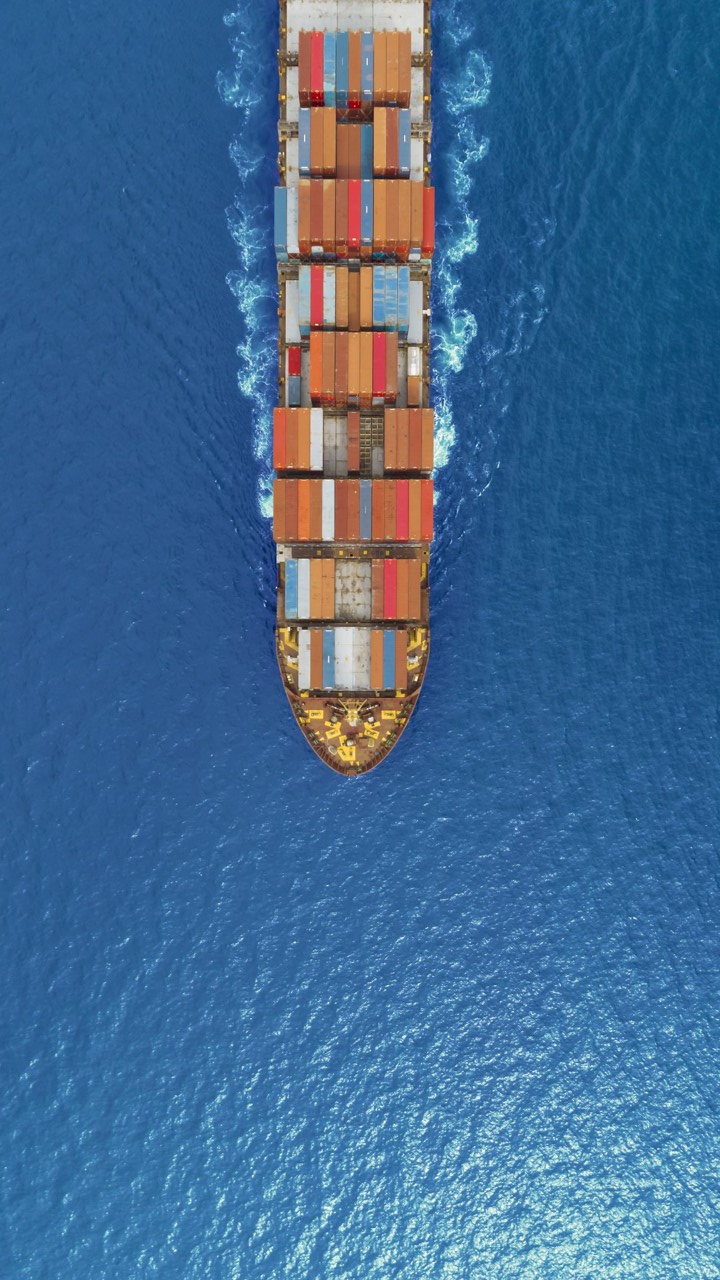
Jones Act on Steroids The Jones Act (Merchant Marine Act of 1920) requires that shipping between U.S. ports involve U.S.-built, owned, flagged and manned vessels. Cruise ships intentionally make a two hour stop in a foreign port to avoid the law. Half of U.S. overseas food aid must follow the law, meaning less food is shipped due to the higher cost. At present, the U.S. is ranked 19th in the work in shipbuilding, adding less than 10 new vessels per year, versus China at over 1,000. The Trump Administration is considering steep fees on imports brought in by Chinese built vessels, plus other measures to enhance American ship construction and utilization. It will be another ding against U.S. farmers and their export needs. Aller An...



 What You Need to Know Today: U.S. and Chinese officials are expected to discuss agriculture and non-tariff trade barriers ahead of Chinese President Xi Jinping’s visit to Washington later this month, potentially opening the door to additional U.S. agricultural purchases or improved marke...
 The U.S. will observe Labor Day on Monday, 7 September. U.S. markets and the WPI office will be closed that day. The next edition of Ag Perspectives will be published Tuesday, 8 September...

 Key Takeaways: Drought and changes to the multi-year trend in cow slaughter and retention have the potential to dramatically alter beef trim supplies and pricing, and WPI specifically models three different drought scenarios for fall 2026. Based on our models, WPI expects 90 percent lean...

From WPI Consulting
Communicating importance of value-added products
Facing increasing pressure to quantify the value of export promotion efforts to investors, a U.S. industry organization retained WPI to develop a quantitative model that better communicated the importance of exports. The resulting model concluded that value-added meat exports contributed $0.45 cents per bushel to the price of corn, increasing support for that sector’s financial support of WPI’s client. In addition to serving the red meat industry with this type of analysis, WPI has generated similar deliverables for the U.S. soybean and poultry/egg industries.