
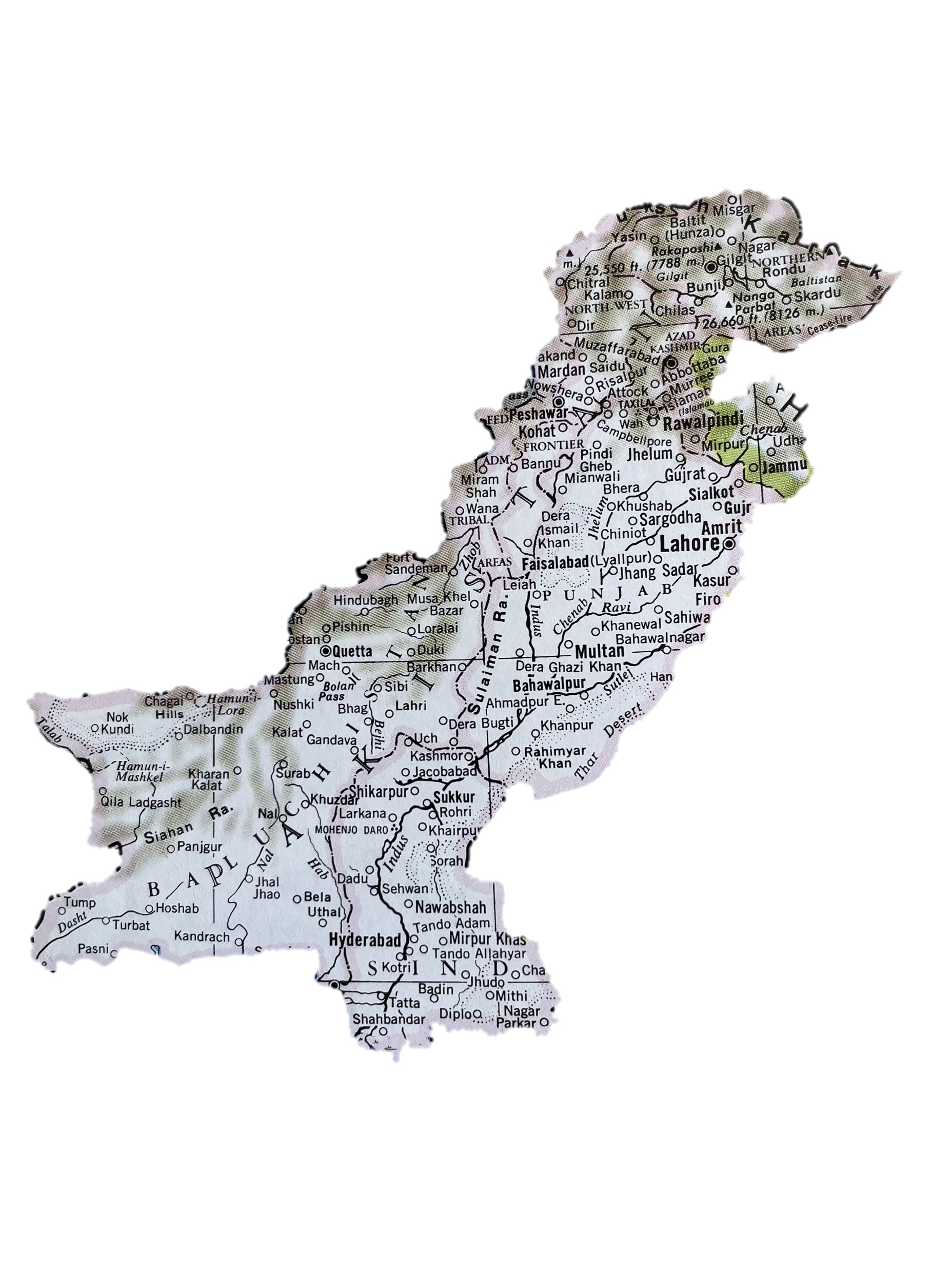
Pakistan is finally joining Bangladesh, Indonesia, and Nigeria as a wheat importer. The basis has long existed but has taken time to fully develop. Like the other nations in this cohort, there is a large, growing, and youthful population running headlong into a limited agricultural base. Consumption finally outpaced domestic supply in 2018/19. Pakistan is mostly a desert country with its agriculture and people concentrated in the Indus River plain. It has nearly eight times the irrigated land as neighboring Afghanistan, but it is environmentally fragile. There are floods and earthquakes, plus political and geopolitical instability. Most importantly, there is food insecurity. The government is trying to improve domestic production with bord...



 What You Need to Know Today: The September Cattle on Feed report was strongly bullish, with both the 1 September on-feed inventory and August placements coming in well below average expectations and below the bottom of their respective pre-report estimate ranges. China continues to buy U...
 Given yesterday’s headlines, today’s market action may not be what many expected. The dollar is little changed, crude oil is pulling back and stocks are trading higher. Crude may be the biggest piece of today’s reversal. Saudi Arabia is offering additional crude to Asian buyer...

From WPI Consulting
Weighing in on strategic realignment

WPI’s team was retained by the governing board of a U.S. industry organization to review a decision, reached by vote, to invest significant assets into the development and management of an export trading company. WPI’s team conducted a formal review of this decision and concluded that the current level of market saturation would limit the benefits of the investment. Based on WPI’s analysis and recommended actions, the board subsequently reversed its decision and undertook a strategic planning effort to identify more impactful investments. On behalf of numerous clients, WPI has not only assisted in identifying strategic paths but also advised their implementation.