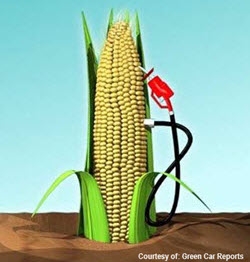
On 1 June, a bipartisan group of 21 members of the House of Representatives asked USTR to address Brazil’s treatment of U.S. ethanol, specifically a reinstatement of tariffs and access to Brazil’s carbon credit program for ethanol. Between the tariff and lack of access to the credit program, U.S. exports to Brazil have effectively been cut off.
First, the tariffs. From 2012 to 2017, U.S. ethanol entered Brazil tariff-free. In 2017, Brazil imposed an annual TRQ of 600 million liters (158 million gallons) on ethanol imports from 1 September 2017 through 31 August 2019. Any volume above the quota was subject to the 20 percent Common External Tariff (CET) under the Mercosur agreement. That tariff was reassessed 24 months after im...


 What You Need to Know Today: Market attention is shifting toward Tuesday’s USDA WASDE report, with analysts anticipating a modest reduction in U.S. corn production estimates and an increase in soybean production. The report could provide fresh direction for grain markets as traders reass...

 Key Takeaways: WPI’s forecasts call for physical U.S. soybean crushing margins to weaken over the next four months and average $4.44/bushel by late February, while CBOT futures margins should rise modestly to about $2.40/bushel. A key catalyst for this is the expectation that U.S...


 The election is over – for the most part. Counting is still underway in some states, including Alaska, where a ranked-choice voting system is in place for the Senate race, and Mississippi, as well as in some House districts. But as of now, Democrats have secured at least 54 Senate seats,...