

Beef packer margins improved sharply, with estimated net losses narrowing to -$111/head from -$206/head the prior week. The recovery was driven by another firming in the boxed beef cutout, which rose to $379.00/cwt, while fed cattle prices softened modestly on the week. Even with the improvement, packer profitability remains negative and continues to reflect tight cattle supplies and elevated procurement costs. Packers should see weaker fed cattle prices again this week amid the impacts from the 7-day labor strike at the Greeley, Colorado JBS plan, which is pushing some 29,000 head to other slaughter plants. Southern Plains feedlot placement margins remained ...



 What You Need to Know Today: The U.S. and Iran exchanged strikes, with the U.S. hitting Iranian bridges, energy sites, and military infrastructure. Iran launched a missile into Kuwait that damaged a desalination plant. Crude oil futures surged on heightened Middle East tensions, providing supp...
 Congress returned this week from its Fourth of July recess, with another break scheduled for the month of August, to face a busy agenda before adjourning for the August recess. Congress has several priorities, including the National Defense Authorization Act, a potential third reconciliation pa...

 There was a time, not so long ago, when you could easily explain U.S. agricultural policy. It was countercyclical and focused on risk management, especially for traditional row crops. There were a few exceptions, like dairy and sugar, which maintained the remnants of supply control. Participati...

From WPI Consulting
Forecasting developments in production agriculture
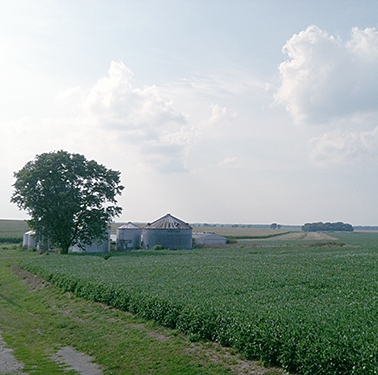
On behalf of a private U.S. agricultural technology provider, WPI’s team generated an econometric model to forecast the movement of concentrated corn production north and west from the traditional U.S. Corn Belt. WPI’s model has subsequently provided quantitative support to a multi-million-dollar investment into short-season corn variety development. WPI’s methodology included a series of interviews with regional grain elevators and seed consultants. Emphasizing outreach and communication with stakeholders who possess intimate sectoral knowledge – on-the-ground insights – is a regular component of WPI’s methodologies, made possible by WPI’s ever-growing network of industry contacts.