
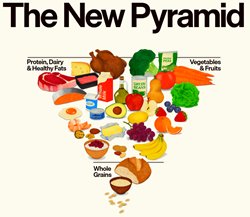
The USDA and the Department of Health and Human Services (HHS) recently released the 2025 Dietary Guidelines for Americans (DGA). The headline developments were a direct reversal of the 2015 guidelines, which were the first to not include a recommendation to consume meat based in part on sustainability criteria and subsequently created a political firestorm. The 2025 guidelines – which were delayed due to the government shutdown were announced yesterday –fully included red meat and poultry, calling on consumers to “prioritize protein at every meal”. The new guidelines recommend protein serving goals of 1.2 to 1.6 grams of meat and vegetable-based protein per kilogram of body weight per day. Health and Hum...



 What You Need to Know Today: Markets got a surprise with a corn yield of 181.2 bushels/acre in the October WASDE, above the average estimate of 177.6 bushels/acre and up from USDA’s September estimate of 178.5 bushels/acre. Although stronger demand is expected to absorb some of the addit...

 Key Takeaways: On Friday afternoon, President Trump announced that Russia will “immediately supply over 300,000 Tons of Diesel Fuel” to the United States. The deal, typical of this administration, is light on details but promises an additional 500,000 tons in November and 1 m...
 The USDA has lowered its 2026 red meat production forecasts slightly while forecasting a slight increase in broiler production. Beef is now projected at 24.802 billion pounds, 75 million pounds less than in September. Cow slaughter is expected to be up; however, this will be offset by lower ste...

From WPI Consulting
Accountability and a comprehensive approach to export programming

WPI’s team helped construct a strategic approach to develop, implement, and track promotional activities in 8 key regions across the globe for an agricultural export association. With continued progress measurement and strategic advisory services from WPI, the association has seen its ROI from investments in promotional programming increase by 44 percent over the past 5 years. Not only does this type of holistic approach to organizational strategy provide measurable results to track and analyze, it fosters top-down and bottom-up organizational accountability.