
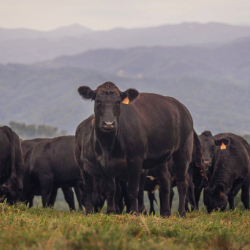
As WPI reported on 21 August, President Trump has announced a 90-day window during which up to 300,000 metric tons of product for ground beef could be imported outside of tariff-rate quotas, which stand at 26.4 percent, allowing imports at 4.4 cents per kg, a move aimed at bringing down costs for American consumers. The plan would open 100,000 MT per month for September, October, and November. This would be similar to Argentina’s extra 20,000 MT per quarter and would apply only to lean trimmings (HS 0201.30.5091, 0201.30.5097, 0202.30.5091, and 0202.30.5097). Agriculture Secretary Brooke Rollins has said she supports the move but also noted that she’s aware of producers’ frustrations. Producer groups, as well as Republican...


 WPI Grain Prices and Freight Rate App Note: you can also visit the app directly by clicking here. Supplemental Information The section below offers a concise view of the options available in the current version of the WPI FOB Price and Freight Rate app, along with a short “How To”...


 What You Need to Know Today: Corn and soybeans were under heavy selling pressure as weaker (or at least as-expected) export demand runs into an accelerating harvest pace with more grain available in the spot market. Corn and soybean harvest progress remains below average across the U.S., espec...
 Key Takeaways: Brazil confirmed a Newcastle disease outbreak at a commercial turkey farm in Santa Catarina on 18 October, raising concerns about potential disruptions to poultry exports despite the outbreak being confined to a single facility thus far. Mexico and Malaysia have imposed nationwi...

From WPI Consulting
Communicating importance of value-added products

Facing increasing pressure to quantify the value of export promotion efforts to investors, a U.S. industry organization retained WPI to develop a quantitative model that better communicated the importance of exports. The resulting model concluded that value-added meat exports contributed $0.45 cents per bushel to the price of corn, increasing support for that sector’s financial support of WPI’s client. In addition to serving the red meat industry with this type of analysis, WPI has generated similar deliverables for the U.S. soybean and poultry/egg industries.