



Overnight news that Australia’s 2019/20 wheat crop will be smaller than expected set the stage for a sharp rally in the CBOT wheat markets. Morning calls were for wheat to open higher and pull corn along with it, which is exactly what happened. Few, if any, analysts, however, expected wheat to post gains of 20+ cents for the day, but both KC and Chicago wheat did just that. The soy complex spent most of the day trading with a weaker tone but short covering in soymeal helped that market to a higher close. The biggest news of the day was the release of a list of U.S. commodities for which companies can apply for import tariff waivers this year. The list includes 696 products that are eligible for tariff exclusion (including soybe...


 WPI Grain Prices and Freight Rate App Note: you can also visit the app directly by clicking here. Supplemental Information The section below offers a concise view of the options available in the current version of the WPI FOB Price and Freight Rate app, along with a short “How To”...
 Russian Grain Markets: 12–16 October 2026 During the week in review, the Russian grain market began recovering after an extended decline driven largely by Black Sea logistics bottlenecks, a good crop and weaker global demand in traditional Russian markets. Russia is beginning to harvest c...
 What You Need to Know Today: Corn and soybeans were under heavy selling pressure as weaker (or at least as-expected) export demand runs into an accelerating harvest pace with more grain available in the spot market. Corn and soybean harvest progress remains below average across the U.S., espec...

From WPI Consulting
Forecasting developments in production agriculture
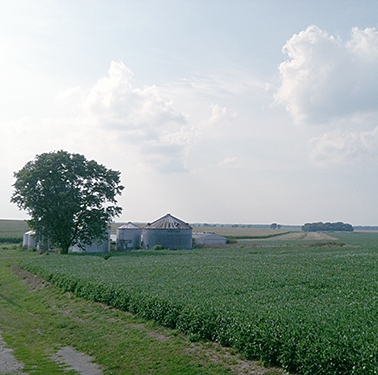
On behalf of a private U.S. agricultural technology provider, WPI’s team generated an econometric model to forecast the movement of concentrated corn production north and west from the traditional U.S. Corn Belt. WPI’s model has subsequently provided quantitative support to a multi-million-dollar investment into short-season corn variety development. WPI’s methodology included a series of interviews with regional grain elevators and seed consultants. Emphasizing outreach and communication with stakeholders who possess intimate sectoral knowledge – on-the-ground insights – is a regular component of WPI’s methodologies, made possible by WPI’s ever-growing network of industry contacts.