


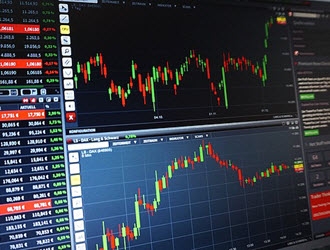
The CBOT was broadly lower on Tuesday as good crop conditions across the U.S. and surprisingly large Brazilian crop forecasts pressured the markets. Cattle futures defied the bearish trend and close higher. Funds started selling grains at the open, triggering sell-stops in soybeans and soymeal. The index fund roll is now in its third day and traders are positioning for Thursday’s WASDE. The WASDE is expected to be bearish corn and beans, and Tuesday’s trade was dominated by liquidation of long positions and farmer selling with the market at fresh highs. For grains, one bearish factor was the continued weakness in the Argentine peso, which hit a new historic low versus the U.S. dollar. Similarly, the Russian ruble and Braz...


 WPI Grain Prices and Freight Rate App Note: you can also visit the app directly by clicking here. Supplemental Information The section below offers a concise view of the options available in the current version of the WPI FOB Price and Freight Rate app, along with a short “How To”...
 Russian Grain Markets: 12–16 October 2026 During the week in review, the Russian grain market began recovering after an extended decline driven largely by Black Sea logistics bottlenecks, a good crop and weaker global demand in traditional Russian markets. Russia is beginning to harvest c...
 What You Need to Know Today: Corn and soybeans were under heavy selling pressure as weaker (or at least as-expected) export demand runs into an accelerating harvest pace with more grain available in the spot market. Corn and soybean harvest progress remains below average across the U.S., espec...

From WPI Consulting
Infrastructure investment due diligence
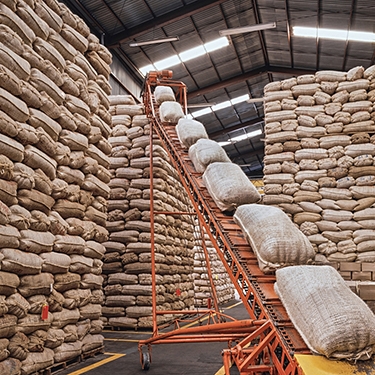
On behalf of a Canadian oilseed processer WPI's team provided market analysis, econometric modeling and financial due diligence in support of a $24 million-dollar investment in a Ukrainian crush plant. Consistent with WPI's findings, local production to supply the plant and the facility's output have expanded exponentially since the investment. WPI has conducted parallel work on behalf of U.S., South American and European clients, both private and public, in the agri-food space.