


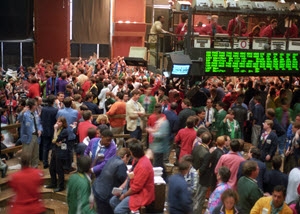
Overnight trading saw continued selling from Monday’s weaker day with soybeans leading the way lower to losses in excess of 10 cents. Soymeal was also hit hard, while corn and wheat futures suffered more minor dips into the red. The Crop Progress report was somewhat comforting yesterday with good wheat harvest advancement and small improvements in corn/soybean condition ratings. Combined with some showers across the Corn Belt, that left traders in a selling mood. The markets opened the day session significantly weaker with corn, soybeans, and wheat all trading to losses. Reports that Chinese purchases of South American soybeans are being rolled from July to August shipment (as WPI reported yesterday) put bears in charge of the soy co...


 The corn and soy complex closed higher, with the wheat market mixed, as winter wheat closed up but spring wheat and livestock ended lower. Part of the strength for corn and soybeans may have been a weather premium, as crop planting has started out fast but warm weather has been slow to develop...
 Real GDP grew at a 2 percent annual rate in the first quarter of 2026, slightly below the consensus expectation of 2.3 percent but above the 0.5 percent growth in Q4 2025. The GDP number matches the average annualized pace of growth since the peak back in late 2007, right before the Financial P...

 Reflect for a moment on what you eat. There is a lot of advice out there in the ether about what you should eat, but really, what do you currently eat and how much? The good people at the USDA have some data for you, to help you answer that question. USDA says that we eat quite a bit of meat. L...

From WPI Consulting
Communicating importance of value-added products

Facing increasing pressure to quantify the value of export promotion efforts to investors, a U.S. industry organization retained WPI to develop a quantitative model that better communicated the importance of exports. The resulting model concluded that value-added meat exports contributed $0.45 cents per bushel to the price of corn, increasing support for that sector’s financial support of WPI’s client. In addition to serving the red meat industry with this type of analysis, WPI has generated similar deliverables for the U.S. soybean and poultry/egg industries.