



Trade at the end of the Christmas week was defined by strong soyoil and wheat values while soybeans and meal turned lower. Corn and soybeans are near the top end of their fundamentally justifiable trading ranges (at least based on current expectations of supply/demand), and technical resistance/profit taking in soybeans pushed that market lower. Funds are certainly supporting the soyoil and wheat markets but long interest in corn and soybeans remains tepid. Overall, however, the markets remain well-bid and there seems to be a growing expectation that 2020 demand for ag commodities will be strong and above 2019 levels. The weekly Export Sales report showed disappointing sales and exports for corn, continuing the theme of the MY 2019/2...



From WPI Consulting
Infrastructure investment due diligence
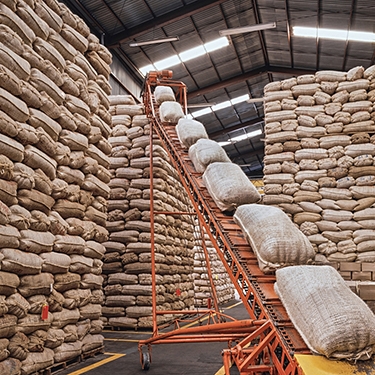
On behalf of a Canadian oilseed processer WPI's team provided market analysis, econometric modeling and financial due diligence in support of a $24 million-dollar investment in a Ukrainian crush plant. Consistent with WPI's findings, local production to supply the plant and the facility's output have expanded exponentially since the investment. WPI has conducted parallel work on behalf of U.S., South American and European clients, both private and public, in the agri-food space.