


The decline of corn and soybean futures prices in overnight trading accelerated during the day session as the July contracts for both moved below technical support levels. After dipping early, though, HRS futures headed higher again. General Comments Overnight trading found corn and soybean futures prices fractionally lower, while wheat futures were down 4-5 cents as they continued to correct against the recent steep rally. Volume was so-so. The decline of corn and soybean futures prices accelerated during the day session as the July contracts for both moved below technical support levels. Trading volume slackened as traders were reluctant to move ahead of USDA’s 30 June reports. A forecast for decent weather conditions, including occasio...


 What You Need to Know Today: China’s state-run COFCO, in statements on Tuesday, implied that U.S. corn exports were currently uneconomical but hinted that the Middle Kingdom would import 3.5 MMT of the feed grain this year, with 1 MMT likely sourced from the U.S. Another drone attack has...

 Tanker-tracking data shows a smaller recovery in oil flowing through the Strait of Hormuz than previously thought. Energy Secretary Chris Wright, speaking by video to an international energy conference in Riyadh, Saudi Arabia, said that oil moving through the strait was back to 80 to 90 percent...

 Key Takeaways: While soybean, palm, sunflower, and rapeseed oils dominate global vegetable oil markets, premium oils such as olive, avocado, coconut, and sesame command substantially higher prices due to their distinctive flavors, nutritional characteristics, and specialized culinary uses.. Ol...

From WPI Consulting
Forecasting developments in production agriculture
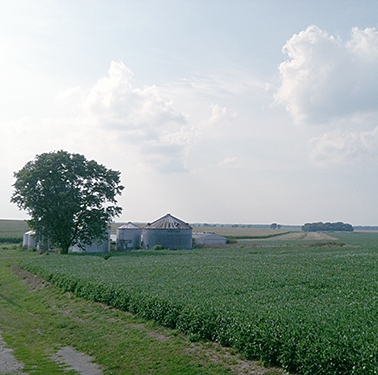
On behalf of a private U.S. agricultural technology provider, WPI’s team generated an econometric model to forecast the movement of concentrated corn production north and west from the traditional U.S. Corn Belt. WPI’s model has subsequently provided quantitative support to a multi-million-dollar investment into short-season corn variety development. WPI’s methodology included a series of interviews with regional grain elevators and seed consultants. Emphasizing outreach and communication with stakeholders who possess intimate sectoral knowledge – on-the-ground insights – is a regular component of WPI’s methodologies, made possible by WPI’s ever-growing network of industry contacts.