



The CBOT was mostly lower at mid-week with the threat of Russian attacks on Ukrainian vessels and ag infrastructure taking a backseat to the lack of export news, particularly from China. Corn, wheat, and soybeans all settled in the red for the day with soybeans leading the downside move on another day without reports of export sales to China. Funds were also a bit more cautious for the day with technical resistance looming overhead and the holidays looming on the calendar, both of which make it harder to be staunchly bullish. The only real bullish action was in the cattle and hog markets where strong protein demand and continued issues with the New World Screwworm parasite in Mexico boosting price expectations. Outside Markets O...


 What You Need to Know Today: Corn, wheat, and the soy complex all formed new contract or at least rally highs to close what has become one of the most uniformly bullish weeks in CBOT history. Escalations in the fighting between Russia and Ukraine and attacks on civilian merchant vessels show n...

 The Federal Reserve Board holds an annual meeting in Jackson Hole, Wyoming, each year about this time, and this year’s meeting is now. It’s always a “must-watch” event, but this year, amidst persistent inflation and with a new Fed chairman, Kevin Warsh, it drew additiona...


 You cannot escape the vortex of opinions about water scarcity in the Western United States, especially in the drought-stricken Colorado River Basin. Agriculture is the villain in many of these editorials. Agriculture uses too much water, so it should use less, is the refrain. We all wish it was...

From WPI Consulting
Forecasting developments in production agriculture
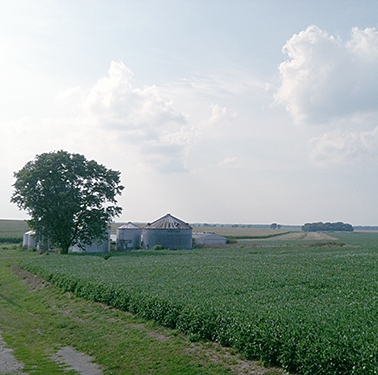
On behalf of a private U.S. agricultural technology provider, WPI’s team generated an econometric model to forecast the movement of concentrated corn production north and west from the traditional U.S. Corn Belt. WPI’s model has subsequently provided quantitative support to a multi-million-dollar investment into short-season corn variety development. WPI’s methodology included a series of interviews with regional grain elevators and seed consultants. Emphasizing outreach and communication with stakeholders who possess intimate sectoral knowledge – on-the-ground insights – is a regular component of WPI’s methodologies, made possible by WPI’s ever-growing network of industry contacts.