



The CBOT largely reversed Friday’s extreme, post-Grain Stocks report selloff with corn fully erasing the prior trading day’s losses. Fresh news was light for the day, however, and Monday’s strength was largely due to “flash” export sales to China and Mexico along with corrective technical buying and commercial demand. Corn, wheat, soybeans, and soyoil all settled higher for the day while the soymeal market and lean hog futures continued their respective plunges lower. Funds were net buyers for the day in corn and wheat but were essentially flat soybeans and cattle and net sellers in soymeal and hogs. Commodity demand remains a concern going forward with the rising U.S. dollar and low draft levels in the Mississ...


 What You Need to Know Today: End-of-month profit taking sent the CBOT broadly lower, though corn and soybeans managed to post small gains to continue their rallies. Turkey’s foreign ministry claimed to have a plan to ensure safe passage for both Ukrainian and Russian grain vessels via th...
 Developer's Note 24 August 2026: WPI recently completed an exercise that updated the codebase for this app and solved some of the discrepancies between our five-year average calculation and USDA's. There are a few lingering cases where early (late) starts (finishes) to the crop cycle resu...
 Key Takeaways: Corn and soybean prices rallied sharply last week as declining U.S. production expectations collided with strong demand, raising the prospect of tighter supplies and leaving the market with a smaller margin for further yield losses. The USDA’s lower August yield estimates...

From WPI Consulting
Forecasting developments in production agriculture
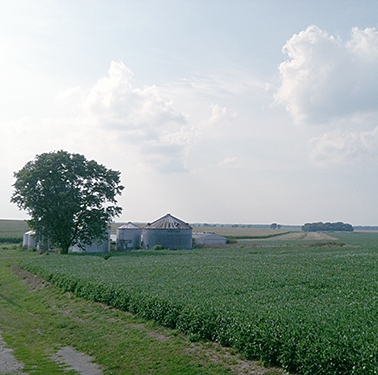
On behalf of a private U.S. agricultural technology provider, WPI’s team generated an econometric model to forecast the movement of concentrated corn production north and west from the traditional U.S. Corn Belt. WPI’s model has subsequently provided quantitative support to a multi-million-dollar investment into short-season corn variety development. WPI’s methodology included a series of interviews with regional grain elevators and seed consultants. Emphasizing outreach and communication with stakeholders who possess intimate sectoral knowledge – on-the-ground insights – is a regular component of WPI’s methodologies, made possible by WPI’s ever-growing network of industry contacts.