



Ag commodity futures were almost uniformly lower on Wednesday with pressure stemming from multiple sources, including better-than-expected U.S. planting progress, a surge in the U.S. dollar, and rains forecast for the Black Sea region this week. Corn and soybeans primarily saw their weakness develop from higher-than-expected planting completion rates with no major producing states seemingly at risk for major acreage losses. Similarly, the latest weather forecasts offer solid chances for light but meaningful precipitation for the Black Sea region, which sent wheat futures lower for the day. Even the livestock markets joined the bearish chorus as hog futures fell on weaker pork markets and cattle futures dropped on technical selling and more...


 What You Need to Know Today: Corn, wheat, and the soy complex all formed new contract or at least rally highs to close what has become one of the most uniformly bullish weeks in CBOT history. Escalations in the fighting between Russia and Ukraine and attacks on civilian merchant vessels show n...

 The Federal Reserve Board holds an annual meeting in Jackson Hole, Wyoming, each year about this time, and this year’s meeting is now. It’s always a “must-watch” event, but this year, amidst persistent inflation and with a new Fed chairman, Kevin Warsh, it drew additiona...


 You cannot escape the vortex of opinions about water scarcity in the Western United States, especially in the drought-stricken Colorado River Basin. Agriculture is the villain in many of these editorials. Agriculture uses too much water, so it should use less, is the refrain. We all wish it was...

From WPI Consulting
Infrastructure investment due diligence
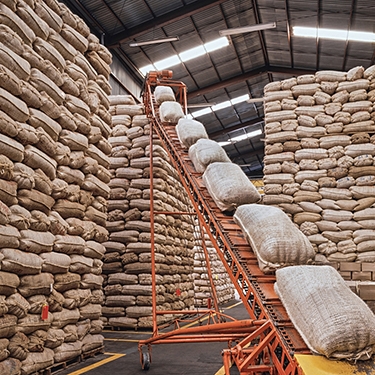
On behalf of a Canadian oilseed processer WPI's team provided market analysis, econometric modeling and financial due diligence in support of a $24 million-dollar investment in a Ukrainian crush plant. Consistent with WPI's findings, local production to supply the plant and the facility's output have expanded exponentially since the investment. WPI has conducted parallel work on behalf of U.S., South American and European clients, both private and public, in the agri-food space.