



The CBOT was mostly lower on Wednesday as the lack of big changes in the March WASDE effectively amounted to ammunition for bears. Bull markets need to be fed a steady diet of news, and the lack of such inputs from the WASDE gave bears an advantage for the day. Soybeans and corn were the markets to see the biggest declines, with the oilseed also finding pressure from the EU’s new tariffs on U.S. ag products, including soybeans. Overall, the day’s action had the feeling of “give up” trade from bulls and bears growing somewhat more emboldened by the stack of bearish factors in the oilseeds markets. Outside markets finally found a little bit of support after their recent drubbing and despite the EU’s retalia...



From WPI Consulting
Infrastructure investment due diligence
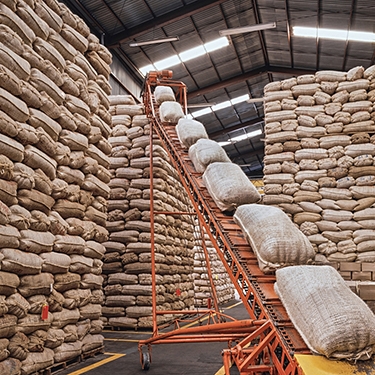
On behalf of a Canadian oilseed processer WPI's team provided market analysis, econometric modeling and financial due diligence in support of a $24 million-dollar investment in a Ukrainian crush plant. Consistent with WPI's findings, local production to supply the plant and the facility's output have expanded exponentially since the investment. WPI has conducted parallel work on behalf of U.S., South American and European clients, both private and public, in the agri-food space.