


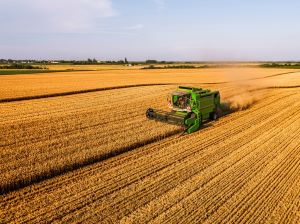
The CBOT was almost uniformly in the red on Tuesday with any bullish supply-side implications from the November WASDE largely forgotten (or ignored) amid bearish demand-side developments. The recent rally in the U.S. dollar is threatening to undo much of the export demand gains the market has won and favorable weather in South America is promising strong export competition for soybeans. Too, the switching of administrations in Washington, D.C. is causing uncertainty in many aspects, one of which is biofuels policy. That latter fact helped tank the soyoil market for the day, with the spot contract posting a 4 percent loss. Funds are increasingly returning to the short side of the market in the soy complex and wheat as fundamental and chart c...


 What You Need to Know Today: Crude oil prices extended their rally today, supported by several developments, including escalating Houthi attacks on Saudi Arabian oil infrastructure and growing concerns about supply disruptions. The Trump administration is reportedly preparing to remove 50 perc...
 Key Takeaways: The agricultural trade surplus has become a sizable deficit: the balance swung from a $40.1 billion surplus in 2011 to a $40.7 billion deficit in 2025. Imports kept growing while exports lost momentum: between 2020 and 2025, agricultural imports increased 45 percent, compa...

 USDA released its October Cattle on Feed report Friday, showing 11.4 million cattle in feedlots with capacity for 1,000 head or more, slightly below last year. September placements were the lowest for the month since records began in 1996, marking the third consecutive month of placements sett...
 Regional News Dry weather across the UK and Europe is becoming increasingly concerning for the 2027 crops as planting intentions are lowered amid dry soil conditions. Delayed sowing or establishment under adverse conditions could leave crops more vulnerable to frost/freeze events and dise...

From WPI Consulting
Accountability and a comprehensive approach to export programming

WPI’s team helped construct a strategic approach to develop, implement, and track promotional activities in 8 key regions across the globe for an agricultural export association. With continued progress measurement and strategic advisory services from WPI, the association has seen its ROI from investments in promotional programming increase by 44 percent over the past 5 years. Not only does this type of holistic approach to organizational strategy provide measurable results to track and analyze, it fosters top-down and bottom-up organizational accountability.