What You Need to Know Today:
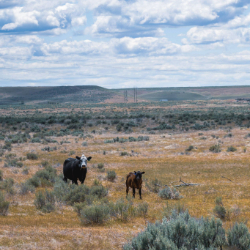
A third U.S. border crossing (Columbus, New Mexico) has reopened to Mexican cattle imports following nearly two years of restrictions related to New World screwworm. The reopening could gradually improve feeder cattle availability, although more than 60 confirmed screwworm cases in Texas and New Mexico highlight the continuing risks facing the livestock industry. The Federal Reserve begins its two-day policy meeting today, with investors overwhelmingly expecting interest rates to remain unchanged. Wednesday's decision and accompanying comments could influence the U.S. dollar, equities, and commodity markets as traders assess the outlook for monetary policy. USDA agricultural attachés in Australia a...


 Yesterday, the USDA’s Agricultural Marketing Service (AMS) released a new report of negotiated cash purchases of cattle under the mandatory price report. The report included Colorado, New Mexico, Oklahoma, Texas, and Kansas. The goal of the report was to solve the confidentiality issues e...

 Key Takeaways: U.S. soybean crushing began in 1911 and saw its most rapid expansion during the 1930s amid the broader agricultural and technology revolutions of the time. After peaking in the early 2000s, the soybean crushing industry went through a downturn as poor crush margins forced...
 Mediterranean/Middle East/North Africa/Africa – MEA Region Bangladesh has asked the USA for technical assistance to improve grain storage and strengthen quality testing of imported grains. Of major importance to Bangladesh is the “technology to improve grain preservation and grain s...