



The CBOT was mostly lower to start the week with corn and wheat consolidating after a lackluster export report. Soybeans and soymeal sold off sharply as concerns rise about China’s demand for U.S. soybeans after Chinese President Xi secured a third consecutive term. Moreover, Xi’s apparent preference for state control of the economy could have worrying implications for multi-national businesses with agricultural operations (e.g., soybean crush plants) in China. Funds were net sellers for the day as long liquidation remains a growing theme amid the Northern Hemisphere harvest and growing global economic uncertainty. The only major ag markets to see strong gains on Monday were live cattle and feeder cattle futures, which jumped hi...


 Russian Grain Markets: 29 June-3 July 2026 The new marketing season has officially begun in Russia, although bearish sentiment has been concentrated in the southern regions closest to the Black Sea ports, where export demand has been weakest. Delays in grain deliveries to inland elevators have...
 What You Need to Know Today: The hot, dry weather forecast continues to drive strength in grain futures with corn and soybeans hitting another day of strong gains. Monday’s Crop Progress and Conditions data were in line with market expectations and showed relatively few concerns for the...

 Yesterday we wrote about the Q1 GDP numbers and the June employment reports in an article entitled Real GDP for Q1 Relying on AI Buildout, Held Back by Consumer Spending. That article mentioned that consumer spending had become a drag on GDP. Nonetheless, real GDP in Q1 was revised upward to 2...

From WPI Consulting
Infrastructure investment due diligence
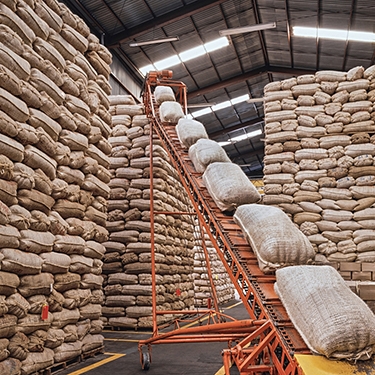
On behalf of a Canadian oilseed processer WPI's team provided market analysis, econometric modeling and financial due diligence in support of a $24 million-dollar investment in a Ukrainian crush plant. Consistent with WPI's findings, local production to supply the plant and the facility's output have expanded exponentially since the investment. WPI has conducted parallel work on behalf of U.S., South American and European clients, both private and public, in the agri-food space.