



Many stock market experts this week were advising not to start panic selling, but apparently many did. Major stock indices dropped 6-7 percent. Agricultural commodities are typically the worst hurt in trade wars, and yet the results were mixed (see below). The fundamental questions are how far will the trade war go, and how long will it last? It is a game of chicken. Retaliation Impacts Looking at U.S. export dependencies explains much of the market’s reaction. Focusing just on this week’s announced reciprocal tariffs (ignoring steel, aluminum, autos), China is the biggest market for soybeans and beef, and its announced retaliation will hurt. Plus, three-quarters of U.S. soybean exports go to seven markets facing some of the hig...


 What You Need to Know Today: Last week’s Trump-Xi meetings included China agreeing to roll back $60 billion in tariffs on a huge swath of U.S. ag products, just notably not soybeans. The exclusion of soybeans from the tariff-reduction list means China’s state-run importers COFCO an...
 Mexico Trade Deal The Trump Administration is looking for a win before the November midterm elections, now just five weeks away, especially as trade relations with Canada worsen and there is now a truce with China. The U.S. has made it clear to Mexican officials that it wants a deal with Mexico...

 Key Takeaways: The U.S.-China agreement lowers tariffs on several U.S. agricultural products, but the lack of additional soybean commitments or greater certainty surrounding China’s existing 25 MMT purchase pledge made the deal a slight disappointment. Lower tariffs on U.S. corn are unli...

From WPI Consulting
Infrastructure investment due diligence
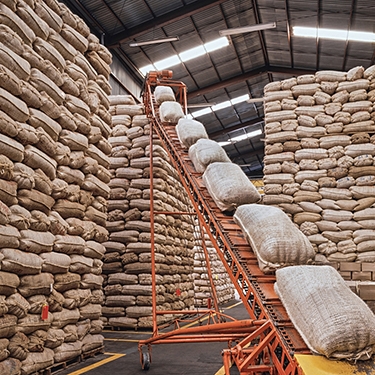
On behalf of a Canadian oilseed processer WPI's team provided market analysis, econometric modeling and financial due diligence in support of a $24 million-dollar investment in a Ukrainian crush plant. Consistent with WPI's findings, local production to supply the plant and the facility's output have expanded exponentially since the investment. WPI has conducted parallel work on behalf of U.S., South American and European clients, both private and public, in the agri-food space.