


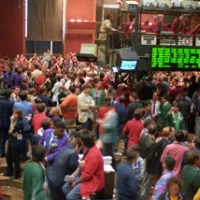
Soybeans and soyoil held their gains from higher overnight closes, but the guidance of being higher to neutral overnight in corn, wheat and meal was rejected by day traders. Neither solid corn export sales, weather concerns in European and Chinese wheat, nor the prospect of trade agreement relief could turn around grains. There was a new contract low in wheat, and of course new contract highs in cattle. Speaking of trade agreements, around the same time the EU was announcing a list of American products facing retaliatory tariffs, the White House was bragging about a trade deal with the United Kingdom. Markets chose the hope of the latter over the risks of the former. Notably, the ink isn’t quite dry yet on a bilateral U.S.-UK tr...



 Key Takeaways: Lamb and goat tariffs protect market share, not prices. The flock is too small to respond quickly, and the burden depends on origin: 12.5 percent on Australia and New Zealand, reportedly 37.5 percent plus the base rate on China. Wool is most exposed via the export side. The U.S...
 Key Takeaways: Dry bulk markets are mixed this week with the Capesize sector falling on the demand slump stemming from China’s Golden Week holiday while Panamax and smaller vessel class rates remain firm. The Atlantic’s first hurricane of the season, Hurricane Isaias, intensi...
 Yesterday’s momentum is facing a tougher test today. Stocks and most grain markets have pulled back, while higher Treasury yields and a firmer dollar are making buyers work harder to defend the gains. Crude oil has turned lower, easing some immediate energy pressure, but the Fed minutes l...
 Key Takeaways: Corn prices will see support in 2026/27 and likely average $5.11/bushel for farm-gate values across the marketing year. Support for corn values comes from an 8 percent year-over-year reduction in supplies that is only partially offset by a 2 percent reduction in total use. Soybe...

From WPI Consulting
Accountability and a comprehensive approach to export programming

WPI’s team helped construct a strategic approach to develop, implement, and track promotional activities in 8 key regions across the globe for an agricultural export association. With continued progress measurement and strategic advisory services from WPI, the association has seen its ROI from investments in promotional programming increase by 44 percent over the past 5 years. Not only does this type of holistic approach to organizational strategy provide measurable results to track and analyze, it fosters top-down and bottom-up organizational accountability.