


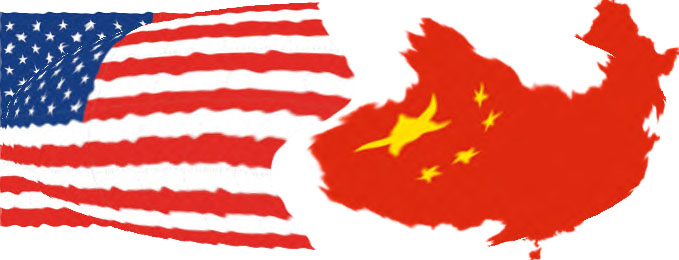
After yesterday’s charge forward in soybeans and a lower close in the overnight, optimists on a trade deal with China again took over and brought another higher close that this time infected both the corn and wheat markets. As stated in Matt’s adjacent analysis, this seems overwrought, but ‘the market is bigger than you and me.’ Yesterday’s rallying cry from President Trump to “MAKE SOYBEANS, AND OTHER ROW CROPS, GREAT AGAIN!” coupled with his promise to make China’s refusal to buy U.S. soybeans a "major topic of discussion" late this month at the APEC summit in Korea is apparently enough to buoy multi-session optimism. Wall Street also keeps an optimistic position (see below). Of larger near-...



From WPI Consulting
Weighing in on strategic realignment

WPI’s team was retained by the governing board of a U.S. industry organization to review a decision, reached by vote, to invest significant assets into the development and management of an export trading company. WPI’s team conducted a formal review of this decision and concluded that the current level of market saturation would limit the benefits of the investment. Based on WPI’s analysis and recommended actions, the board subsequently reversed its decision and undertook a strategic planning effort to identify more impactful investments. On behalf of numerous clients, WPI has not only assisted in identifying strategic paths but also advised their implementation.