


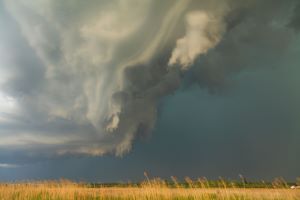
The CBOT was higher again on Wednesday with cool, wet weather for the U.S. Midwest causing planting delay concerns while hot, dry weather in the Black Sea motivated additional gains in global wheat markets. Of the weather concerns, conditions in the Black Sea and Europe seem to be the most consequential right now, though soggy conditions in the U.S. SRW belt are hardly helpful. Corn and soybeans are also finding support from the Midwest weather that is likely to stall planting and slow crop emergence, which is prompting short covering from the non-commercial crowd. While buying interest may slow heading into the long weekend, the technicals and (barring a massive shift over the next few days) global weather patterns point towards a sustaine...



From WPI Consulting
Forecasting developments in production agriculture
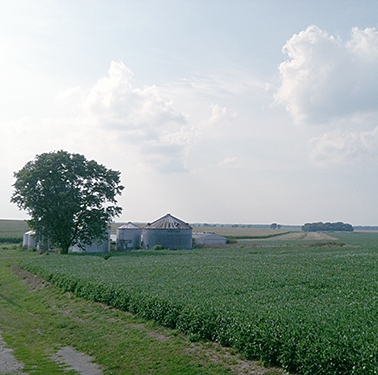
On behalf of a private U.S. agricultural technology provider, WPI’s team generated an econometric model to forecast the movement of concentrated corn production north and west from the traditional U.S. Corn Belt. WPI’s model has subsequently provided quantitative support to a multi-million-dollar investment into short-season corn variety development. WPI’s methodology included a series of interviews with regional grain elevators and seed consultants. Emphasizing outreach and communication with stakeholders who possess intimate sectoral knowledge – on-the-ground insights – is a regular component of WPI’s methodologies, made possible by WPI’s ever-growing network of industry contacts.