



Corn Currently, Argentine farmers have harvested 22 percent of the corn area, with a weekly progress of only 2.3 percent. While soybean harvesting takes precedence and progresses much faster, farmers are only now able to enter some fields after the rains of the past few weeks. The Buenos Aires Grain Exchange presents a rather discouraging outlook for corn this week and has once again reduced estimated production by 3 MMT to 46.5 MMT. Heat stress and the effect of the leafhopper infestation and the Spiroplasma bacteria will prevent harvesting on 17 percent of the area, primarily in the north of the country and – to a lesser extent - in the central-north agricultural area. Yield reductions are expected for these same reasons. Fortunat...


 What You Need to Know Today: Markets got a surprise with a corn yield of 181.2 bushels/acre in the October WASDE, above the average estimate of 177.6 bushels/acre and up from USDA’s September estimate of 178.5 bushels/acre. Although stronger demand is expected to absorb some of the addit...

 The USDA has lowered its 2026 red meat production forecasts slightly while forecasting a slight increase in broiler production. Beef is now projected at 24.802 billion pounds, 75 million pounds less than in September. Cow slaughter is expected to be up; however, this will be offset by lower ste...

From WPI Consulting
Infrastructure investment due diligence
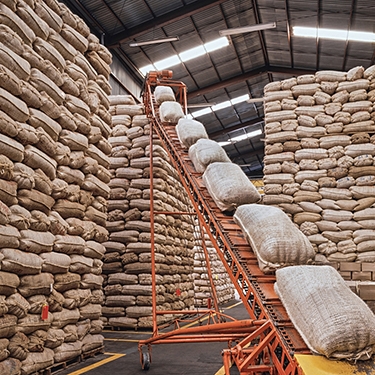
On behalf of a Canadian oilseed processer WPI's team provided market analysis, econometric modeling and financial due diligence in support of a $24 million-dollar investment in a Ukrainian crush plant. Consistent with WPI's findings, local production to supply the plant and the facility's output have expanded exponentially since the investment. WPI has conducted parallel work on behalf of U.S., South American and European clients, both private and public, in the agri-food space.