



Argentina Export Tax Reform The Argentine government announced a new long-term schedule for reducing export taxes ("retenciones"), one of the main policy tools affecting agricultural profitability and farmer selling decisions. Export taxes are applied directly to export values and have historically had a significant impact on local grain prices and planting incentives. For the winter crop campaign, export duties on wheat and barley will be reduced from 7.5 percent to 5.5 percent starting in June 2026, representing a 2-percentage-point cut aimed at encouraging planting for the current season. For coarse grains, the government confirmed a progressive reduction program beginning in January 2027. Soybeans, currently taxed at 33 percent, and soy...


 What You Need to Know Today: New World screwworm is back in the headlines after new cases were found in a hunter-harvested elk in Texas and a beef cow in New Mexico. The detection in wildlife could further complicate containment efforts, as implementing effective biosecurity measures is consid...

 Key Takeaways: Dry bulk markets remain mixed with Capesize rates turning around from their recent weakness and posting solid gains on improved Chinese demand. Panamax vessels, on the other hand, saw rates decline amid greater tonnage availability in the South Atlantic and falling U.S. Gu...

 Key Takeaways: Demand and capacity decide where milk growth lands. Italian cheese is up 4.2 percent in 2026, and milk output is growing fastest in Kansas, South Dakota and Texas, where the new plants are located. Price spreads decide where the marginal milk goes. The Class IV premium over Clas...

From WPI Consulting
Infrastructure investment due diligence
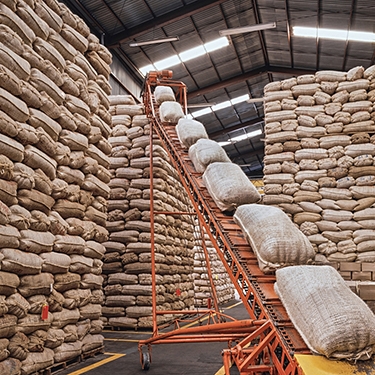
On behalf of a Canadian oilseed processer WPI's team provided market analysis, econometric modeling and financial due diligence in support of a $24 million-dollar investment in a Ukrainian crush plant. Consistent with WPI's findings, local production to supply the plant and the facility's output have expanded exponentially since the investment. WPI has conducted parallel work on behalf of U.S., South American and European clients, both private and public, in the agri-food space.