



Wheat Although nearly 97 percent of Argentina’s wheat crop is rated from normal to excellent, excessive rainfall in some areas is becoming a concern. Certain fields have been inaccessible for months, preventing necessary fieldwork. Fungal diseases are spreading, but farmers are still investing in control measures. For now, there is no visible risk of lower yields, with harvest expectations holding at 21–22 MMT. However, quality could be affected in localized areas. Excess moisture during the growing season may reduce protein content—both due to nitrogen uptake issues early on and nutrient leaching during grain filling. Some fields may also show signs of Fusarium or lower pH levels. Quality is not yet a major issue,...



From WPI Consulting
Infrastructure investment due diligence
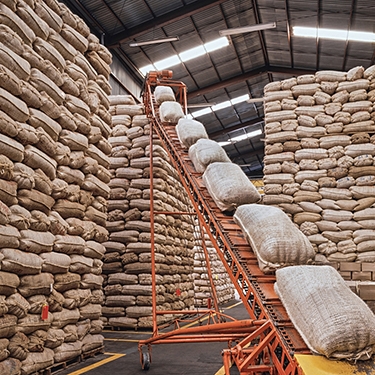
On behalf of a Canadian oilseed processer WPI's team provided market analysis, econometric modeling and financial due diligence in support of a $24 million-dollar investment in a Ukrainian crush plant. Consistent with WPI's findings, local production to supply the plant and the facility's output have expanded exponentially since the investment. WPI has conducted parallel work on behalf of U.S., South American and European clients, both private and public, in the agri-food space.