


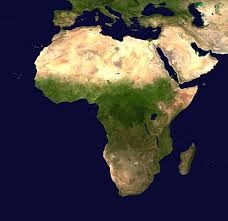
Regional Updates MEDITERRANEAN/MIDDLE EAST/NORTH AFRICA/AFRICA – MEA REGION Grain information and activity in the MEA region was reduced greatly this past week as it was the first week of Ramadan with reduced working hours for businesses, banks and government offices. Pakistan flour mills are said to be mixing maize and rice flour with wheat during milling in order to reduce costs. Analysis of some wheat flour has shown below standard qualities. Local maize prices are about half the price of wheat which makes the adulteration very profitable for the millers. Blending of up to 10 percent maize/rice flour is said to be common. Tunisia is forecast by USDA-FAS to import 555,000 MT of soybeans in 2024/25 along with 12...


 Key Takeaways: The situation in the Arab Gulf is little changed this week, which is to say it is a day-by-day – and sometimes hour-by-hour – judgment call as to what is or will happen. There are some vessels transiting the Strait of Hormuz, but transits are a fraction of what they...
 Grains posted strong gains today, putting the bulls firmly in the driver’s seat. There was no shortage of fuel for the move, with three W’s driving the rally: weather, war and worry. Weather: Cooler temperatures are temporarily easing stress across the Northern Plains and Midwest, b...


 Key Takeaways: Global and U.S. cotton demand has struggled since the post-COVID-19 pandemic surge, which has left cotton prices drifting lower in the U.S. The war in Iran and the closure of the Strait of Hormuz, along with their impact on global energy markets, could boost cotton demand...

From WPI Consulting
Forecasting developments in production agriculture
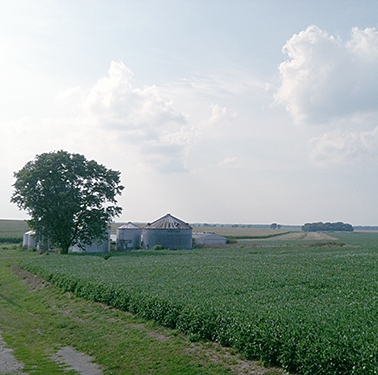
On behalf of a private U.S. agricultural technology provider, WPI’s team generated an econometric model to forecast the movement of concentrated corn production north and west from the traditional U.S. Corn Belt. WPI’s model has subsequently provided quantitative support to a multi-million-dollar investment into short-season corn variety development. WPI’s methodology included a series of interviews with regional grain elevators and seed consultants. Emphasizing outreach and communication with stakeholders who possess intimate sectoral knowledge – on-the-ground insights – is a regular component of WPI’s methodologies, made possible by WPI’s ever-growing network of industry contacts.