


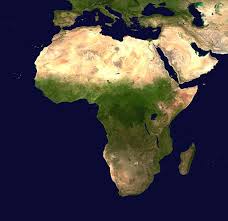
Mediterranean/Middle East/North Africa/Africa – MEA Region Egypt has said that it will no longer import any shipments of grain exported by Russia from the occupied areas of Ukraine. Egypt has increased its purchase price for local wheat by about 11 percent in order to increase domestic purchases and increase strategic wheat reserves. The government hopes to be able to secure up to 5.0 million MT of domestic wheat, up from 3.9 MMT in the previous year. Egypt has imported 3.25 million MT of U.S. soybeans in the 2025/26 market year, making it the fourth largest importer of U.S. soybeans. Bangladesh has imported 1.13 MMT of U.S. soybeans. Morocco is the largest importer of U.S. soymeal in the MEA region, having purchased 300,000 MT so far...


 What You Need to Know Today: Markets got a surprise with a corn yield of 181.2 bushels/acre in the October WASDE, above the average estimate of 177.6 bushels/acre and up from USDA’s September estimate of 178.5 bushels/acre. Although stronger demand is expected to absorb some of the addit...

 The USDA has lowered its 2026 red meat production forecasts slightly while forecasting a slight increase in broiler production. Beef is now projected at 24.802 billion pounds, 75 million pounds less than in September. Cow slaughter is expected to be up; however, this will be offset by lower ste...

From WPI Consulting
Accountability and a comprehensive approach to export programming

WPI’s team helped construct a strategic approach to develop, implement, and track promotional activities in 8 key regions across the globe for an agricultural export association. With continued progress measurement and strategic advisory services from WPI, the association has seen its ROI from investments in promotional programming increase by 44 percent over the past 5 years. Not only does this type of holistic approach to organizational strategy provide measurable results to track and analyze, it fosters top-down and bottom-up organizational accountability.