


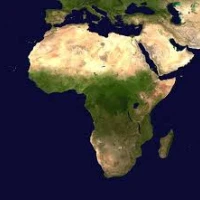
Mediterranean/Middle East/North Africa/Africa – MEA Region Iran is said to import about 20 million MT of grains and oilseeds annually through Persian Gulf ports, plus about 5.0 million MT on the Caspian Sea. Maize, soybeans, soymeal, and vegetable oil are all highly dependent on imports — wheat to a lesser degree due to local crops. Reports say that Iran could be facing grain shortages by mid-2026. Egypt’s Cairo3A Group is reported to have started exporting Egypt-produced 42 percent protein soymeal to animal feed markets in Africa. The company says that this product is very suited for dairy cattle. Egypt has dedicated a land reclamation project that will produce wheat and create more than 2 million jobs. This “N...


 What You Need to Know Today: Markets got a surprise with a corn yield of 181.2 bushels/acre in the October WASDE, above the average estimate of 177.6 bushels/acre and up from USDA’s September estimate of 178.5 bushels/acre. Although stronger demand is expected to absorb some of the addit...

 The USDA has lowered its 2026 red meat production forecasts slightly while forecasting a slight increase in broiler production. Beef is now projected at 24.802 billion pounds, 75 million pounds less than in September. Cow slaughter is expected to be up; however, this will be offset by lower ste...

From WPI Consulting
Infrastructure investment due diligence
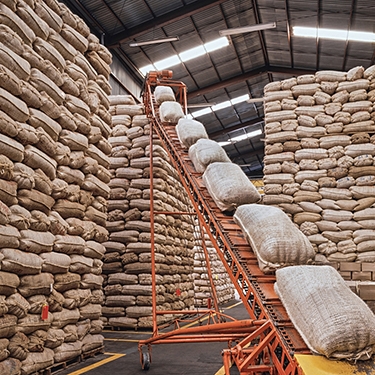
On behalf of a Canadian oilseed processer WPI's team provided market analysis, econometric modeling and financial due diligence in support of a $24 million-dollar investment in a Ukrainian crush plant. Consistent with WPI's findings, local production to supply the plant and the facility's output have expanded exponentially since the investment. WPI has conducted parallel work on behalf of U.S., South American and European clients, both private and public, in the agri-food space.