


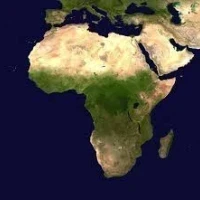
Mediterranean/Middle East/North Africa/Africa – MEA Region Lebanon’s 2025 grain crops are expected to be much lower, as much as 25 percent lower for wheat, due to the drought and to local conflict. Rainfall is down by 50 percent in some areas while due to conflict many farmers were unable to work on their farms. Total grain imports are expected to be at 1.3 MMT including 600,000 MT of wheat. Local production is very small with only 70,000 MT of wheat, 18,000 MT of barley and 4,000 MT of maize, all according to the FAO. Oman Flour Mills (OFM) reports that it intends to develop insect protein production for animal feed, part of a program that was first planned in 2022. OFM says that 50 percent of its revenue comes from...


 What You Need to Know Today: Crude oil prices extended their rally today, supported by several developments, including escalating Houthi attacks on Saudi Arabian oil infrastructure and growing concerns about supply disruptions. The Trump administration is reportedly preparing to remove 50 perc...
 Regional News Dry weather across the UK and Europe is becoming increasingly concerning for the 2027 crops as planting intentions are lowered amid dry soil conditions. Delayed sowing or establishment under adverse conditions could leave crops more vulnerable to frost/freeze events and dise...

From WPI Consulting
Weighing in on strategic realignment

WPI’s team was retained by the governing board of a U.S. industry organization to review a decision, reached by vote, to invest significant assets into the development and management of an export trading company. WPI’s team conducted a formal review of this decision and concluded that the current level of market saturation would limit the benefits of the investment. Based on WPI’s analysis and recommended actions, the board subsequently reversed its decision and undertook a strategic planning effort to identify more impactful investments. On behalf of numerous clients, WPI has not only assisted in identifying strategic paths but also advised their implementation.