


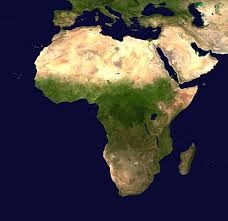
Regional Updates MEDITERRANEAN/MIDDLE EAST/NORTH AFRICA/AFRICA – MEA REGION Egypt’s GASC is reported to have arranged a private purchase of 430,000 MT of Russian wheat at a price of $231 CIF. GASC has not confirmed this purchase. Egypt’s wheat imports, on a dollar basis, are reportedly up by $539 million in the first half of 2024 versus the same period in 2023. Total wheat imports in dollars reached $2.324 billion. Unfortunately, reporting imports in dollars is not very informative for wheat as reporting in MTs would be of greater value. According to other sources, Egypt’s wheat imports in MT are up by 40 percent in the first eight months of 2024 to a total of 10.1 MMT. Egypt’s Sadat City has seen the...


 What You Need to Know Today: A third U.S. border crossing (Columbus, New Mexico) has reopened to Mexican cattle imports following nearly two years of restrictions related to New World screwworm. The reopening could gradually improve feeder cattle availability, although more than 60 confi...

 Yesterday, the USDA’s Agricultural Marketing Service (AMS) released a new report of negotiated cash purchases of cattle under the mandatory price report. The report included Colorado, New Mexico, Oklahoma, Texas, and Kansas. The goal of the report was to solve the confidentiality issues e...

 Key Takeaways: U.S. soybean crushing began in 1911 and saw its most rapid expansion during the 1930s amid the broader agricultural and technology revolutions of the time. After peaking in the early 2000s, the soybean crushing industry went through a downturn as poor crush margins forced...

From WPI Consulting
Infrastructure investment due diligence
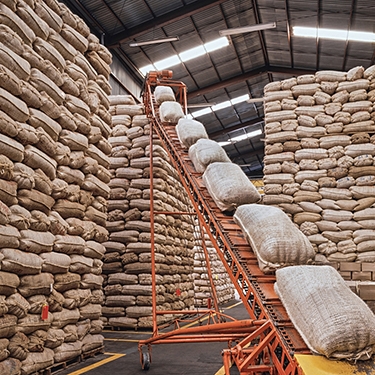
On behalf of a Canadian oilseed processer WPI's team provided market analysis, econometric modeling and financial due diligence in support of a $24 million-dollar investment in a Ukrainian crush plant. Consistent with WPI's findings, local production to supply the plant and the facility's output have expanded exponentially since the investment. WPI has conducted parallel work on behalf of U.S., South American and European clients, both private and public, in the agri-food space.