



Regional UpdatesMEDITERRANEAN/MIDDLE EAST/NORTH AFRICA/AFRICA – MEA REGIONTunisia will shortly receive a shipment of 33,000 MT of U.S. corn, the first shipment in quite a while. The U.S. Grains Council office in Tunis says that they expect more U.S. corn imports in the coming weeks.Morocco has a combo vessel of U.S. soymeal and DDGS enroute from the U.S. with a total cargo of 33,000 MT. Morocco is a regular importer of U.S. soymeal and DDGS. Saudi’s SALIC – Saudi Agriculture and Livestock Investment Company – is expected to purchase the 65 percent of Singapore based Olam Group that it does not own based on SALIC’s recent offer. If completed this will allow SALIC to expand its international agri-food operations. Olam is in the ag...


 Markets are caught between reasons to keep selling and reasons to take another look. Fund liquidation and renewed peace talks are pressuring grains, while fresh export business and some diesel relief offer encouragement. Corn recovered nearly 10 cents from its low to finish higher, while soybea...

 Beef packer margins deteriorated to $141/head last week, down $55 from the prior week as fed cattle prices strengthened while the Choice cutout remained nearly unchanged. The cutout held near $373/cwt while fed cattle prices climbed $4/cwt to $224/cwt, narrowing processor profits. Despite the d...
 WPI Grain Prices and Freight Rate App Note: you can also visit the app directly by clicking here. Supplemental Information The section below offers a concise view of the options available in the current version of the WPI FOB Price and Freight Rate app, along with a short “How To”...

From WPI Consulting
Forecasting developments in production agriculture
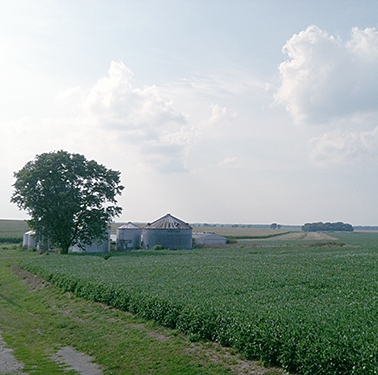
On behalf of a private U.S. agricultural technology provider, WPI’s team generated an econometric model to forecast the movement of concentrated corn production north and west from the traditional U.S. Corn Belt. WPI’s model has subsequently provided quantitative support to a multi-million-dollar investment into short-season corn variety development. WPI’s methodology included a series of interviews with regional grain elevators and seed consultants. Emphasizing outreach and communication with stakeholders who possess intimate sectoral knowledge – on-the-ground insights – is a regular component of WPI’s methodologies, made possible by WPI’s ever-growing network of industry contacts.