


Grain and soy futures markets have been rather boring affairs for two years or more. To be sure, there have been a few short-term bursts of activity and price movement, but they have not lasted long. Years of big U.S. and world crops, growing stocks and expanded export competition have dampened market movements. The return of noncommercial interest in these markets in late 2018 has not only done little to spark volatility but has, arguably, worked against it. A year of trade disputes, big and small, has skewed supply and demand fundamentals in ways that have discouraged commercial market participation. Although perhaps overly optimistic, we have come to think that change is in the offing with markets springing to life again. There are seem...



From WPI Consulting
Forecasting developments in production agriculture
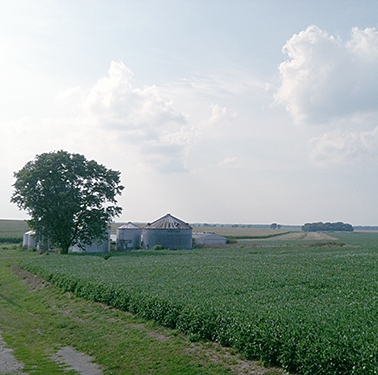
On behalf of a private U.S. agricultural technology provider, WPI’s team generated an econometric model to forecast the movement of concentrated corn production north and west from the traditional U.S. Corn Belt. WPI’s model has subsequently provided quantitative support to a multi-million-dollar investment into short-season corn variety development. WPI’s methodology included a series of interviews with regional grain elevators and seed consultants. Emphasizing outreach and communication with stakeholders who possess intimate sectoral knowledge – on-the-ground insights – is a regular component of WPI’s methodologies, made possible by WPI’s ever-growing network of industry contacts.