
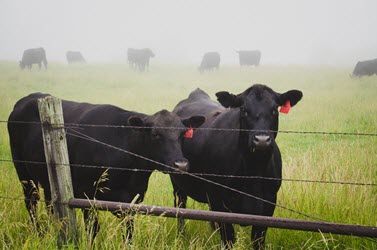
The recent unexpected surge in physical fed cattle prices has created significant discussion about what the beef and cattle price environment will be heading into the new year. It’s no secret that fed cattle supplies remain tight and that the pipeline is low amid the ban on feeder cattle imports from Mexico, both of which are obviously price-supportive factors. Additionally, spot beef demand has surprised to the upside in Q4, which left packers short-bought on cattle over the past two weeks. At the same time, seasonal trends in beef and cattle markets indicate the current strength is unlikely to last, as does existing weakness in parts of the beef market. The big question now is what demand will look like after the holidays and how tha...



 What You Need to Know Today: A third U.S. border crossing (Columbus, New Mexico) has reopened to Mexican cattle imports following nearly two years of restrictions related to New World screwworm. The reopening could gradually improve feeder cattle availability, although more than 60 confi...
 Yesterday, the USDA’s Agricultural Marketing Service (AMS) released a new report of negotiated cash purchases of cattle under the mandatory price report. The report included Colorado, New Mexico, Oklahoma, Texas, and Kansas. The goal of the report was to solve the confidentiality issues e...

 Key Takeaways: U.S. soybean crushing began in 1911 and saw its most rapid expansion during the 1930s amid the broader agricultural and technology revolutions of the time. After peaking in the early 2000s, the soybean crushing industry went through a downturn as poor crush margins forced...

From WPI Consulting
Infrastructure investment due diligence
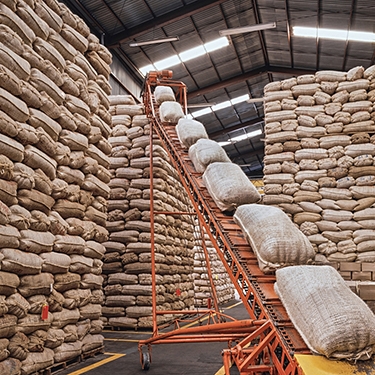
On behalf of a Canadian oilseed processer WPI's team provided market analysis, econometric modeling and financial due diligence in support of a $24 million-dollar investment in a Ukrainian crush plant. Consistent with WPI's findings, local production to supply the plant and the facility's output have expanded exponentially since the investment. WPI has conducted parallel work on behalf of U.S., South American and European clients, both private and public, in the agri-food space.