


31 August is effectively New Year’s Eve for U.S. corn and soybeans as their 2016/17 crop year officially begins tomorrow. While it is doubtful that many involved in the U.S. grain and soy marketing chain will be engaging in celebrations today, the situation may not be as bleak as it might appear.Today (31 August) is effectively New Year’s Eve for U.S. corn and soybeans as their new 2016/17 crop year officially begins tomorrow. However, it is doubtful that many farmers and agribusinesses involved in the U.S. grain and soy marketing chain will be engaging in celebrations today. Certainly, farm equipment manufacturers and dealers, fertilizer producers and input retailers do not see much reason for celebration except to mark the end of a largel...


 What You Need to Know Today: Grain futures fell hard overnight after the USDA’s Crop Conditions report showed better-than-expected ratings for corn and soybeans, despite difficult weather last week. The Conditions report was even more bearish in light of meaningfully beneficial rains acr...


 Key Takeaways: New Mexico’s Clean Transportation Fuel Program expands demand for low-carbon fuels and creates another market for renewable feedstocks, adding incremental pressure to already limited supplies of lower-carbon inputs. Growing competition for waste-based feedstocks such as an...
 As WPI reported on 17 July, the recently passed budget reconciliation bill in the House Budget Committee includes $12 billion in emergency farm assistance. This would be the seventh of the past nine years with ad hoc farm payments (FY2018, FY2019, FY2020, FY2022, FY2023, FY2024, and potentially...

From WPI Consulting
Infrastructure investment due diligence
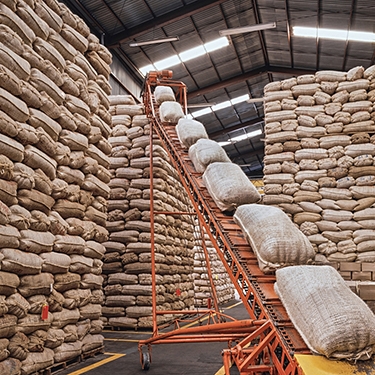
On behalf of a Canadian oilseed processer WPI's team provided market analysis, econometric modeling and financial due diligence in support of a $24 million-dollar investment in a Ukrainian crush plant. Consistent with WPI's findings, local production to supply the plant and the facility's output have expanded exponentially since the investment. WPI has conducted parallel work on behalf of U.S., South American and European clients, both private and public, in the agri-food space.